Perth Hospitality Faces Margin Squeeze From Rising Wages, Energy Costs
Rising wages, energy costs and shifting consumer habits are squeezing margins across restaurants, bars and cafes from the CBD to Northbridge.
2 min read
Rising wages, energy costs and shifting consumer habits are squeezing margins across restaurants, bars and cafes from the CBD to Northbridge.
2 min read
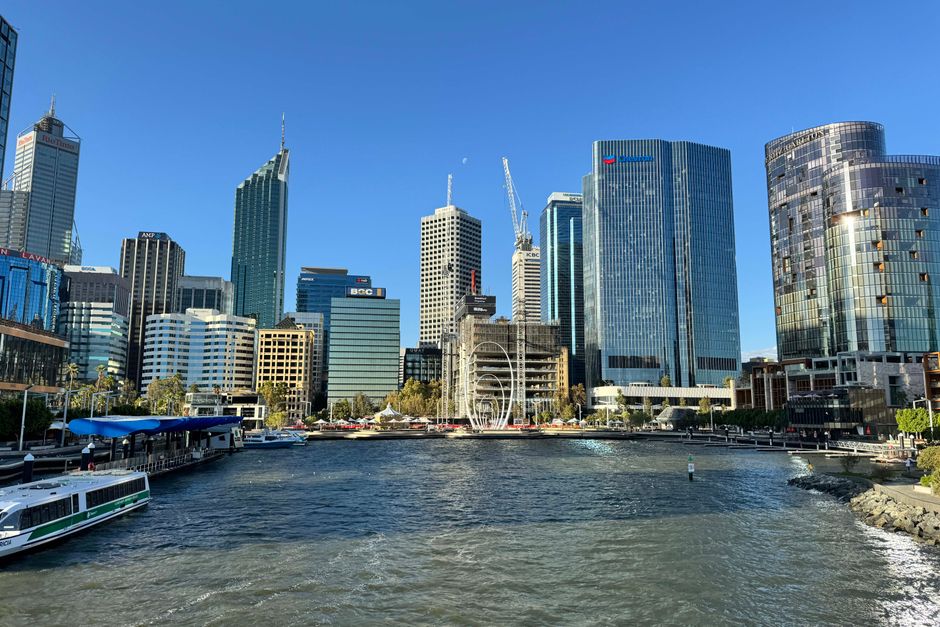
Perth's hospitality and food service sector is entering what industry leaders warn could be its most challenging year in a decade, as businesses grapple with a perfect storm of rising operational costs, tightening consumer spending, and an increasingly competitive marketplace.
The pressures are evident across the city's most vibrant precincts. Along William Street in Northbridge and throughout the CBD's laneway dining scene, venue operators report that energy bills have jumped between 18 and 25 per cent year-on-year, while award-winning restaurants on Barrack Street are absorbing significant wage increases mandated by recent enterprise agreement settlements. The hospitality sector, already operating on notoriously thin margins of 3-5 per cent, is finding little room to absorb these shocks without passing costs to customers.
"We're seeing consumers trade down," explains Hospitality WA, the sector's peak body, noting that discretionary spending on dining out has softened considerably since early 2026. Average meal prices across Perth's restaurant scene have climbed roughly 8 per cent over the past 18 months, pricing some demographics out of the market. Food delivery platforms—integral to survival during pandemic disruptions—now extract commissions of up to 30 per cent, further eroding profitability for venues from South Perth cafes to Fremantle's bustling pub scene.
Labour shortages remain acute. Despite unemployment sitting at manageable levels, hospitality workers continue migrating toward less physically demanding, better-remunerated sectors. Award rates for chefs, sous chefs, and experienced floor staff have climbed to compete with other industries, yet venues still report difficulty securing skilled staff for peak service periods.
Supply chain volatility—a hangover from global disruptions—continues affecting food cost predictability. Produce costs remain elevated, particularly for imported ingredients essential to Perth's diverse dining culture, from fresh seafood to specialty Asian provisions sourced through our role as a major trading hub.
Some venues are adapting through menu engineering, operational efficiency gains, and closer attention to waste management. Others are consolidating, with several established operators announcing plans to reduce operating hours or close underperforming sites. The café culture that defines neighbourhoods like Mount Lawley and Subiaco faces particular pressure, as independent operators compete against large corporate chains with greater scale economies.
Industry forecasters suggest conditions may ease in 2027, but for now, Perth's hospitality operators are navigating what many describe as the sector's most sustained headwind period in years.
This article was compiled by AI and screened before publishing. See our editorial standards.
Spread the word
About this article
Published by The Daily Perth
Stay in the loop
Daily brief
Free, in your inbox before 7am. Weekdays.
The Daily Network — local news across Australia
More local news across Australia