Perth Retailers and Restaurants Face Mounting Cost Pressures in 2026
Rising wages, supply chain disruptions, and shifting consumer behaviour are squeezing margins across the city's food, beverage and retail businesses.
2 min read
Rising wages, supply chain disruptions, and shifting consumer behaviour are squeezing margins across the city's food, beverage and retail businesses.
2 min read
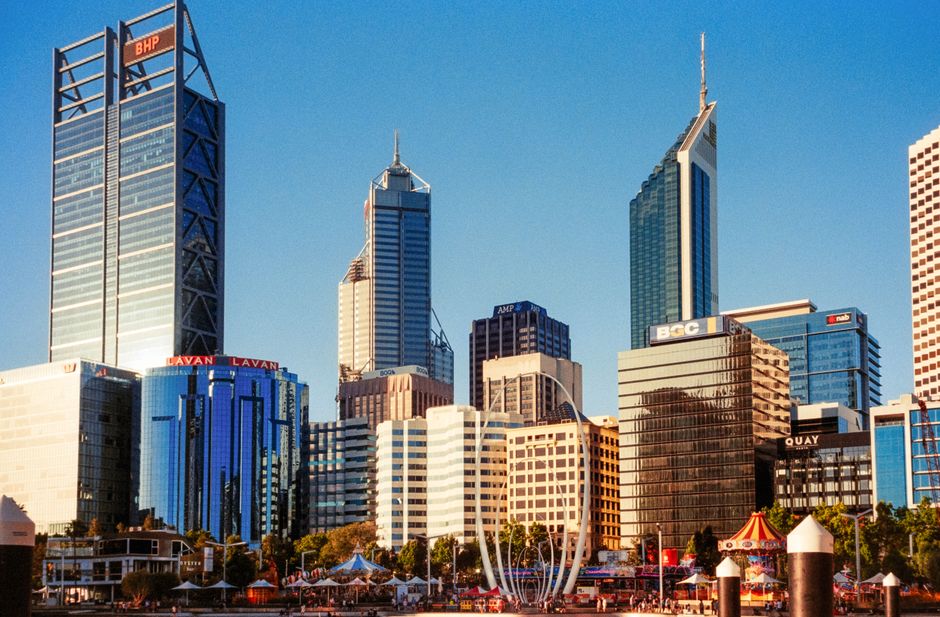
Perth's vibrant hospitality and retail sector—long a cornerstone of the city's economy—is facing a confluence of pressures that industry leaders warn could reshape the landscape of beloved establishments across Northbridge, the CBD and beyond.
The challenges are both immediate and structural. Wage pressures remain acute. The hospitality industry award rates have climbed by 5.2 per cent since January, with further increases expected mid-year. For venues operating on notoriously thin margins—typically 10-15 per cent in food service—the cumulative effect is forcing difficult conversations about staffing levels and menu pricing.
On King Street and William Street, where some of Perth's most recognisable restaurants and bars operate, proprietors report that input costs remain stubbornly elevated. Fresh produce pricing has stabilised somewhat following last year's volatility, but labour costs have become the primary concern. A mid-range restaurant requiring a team of 20-25 staff now faces annual wage bills significantly higher than two years ago, even without expanding headcount.
Supply chain fragility compounds these issues. The global freight environment remains unpredictable, affecting everything from imported wines and spirits to specialist ingredients and hospitality equipment. Several Perth retailers have flagged recurring delays in stock replenishment, particularly for goods sourced from Europe and Asia, forcing them to hold larger inventories and tie up working capital.
Consumer behaviour, meanwhile, is shifting. Discretionary spending on eating out has plateaued across Western Australia, with households prioritising necessities and mortgage commitments. Foot traffic in shopping precincts like Hay Street Mall and the Westfield areas shows modest decline compared to 2025, whilst the rise of online shopping continues eroding traditional bricks-and-mortar retail—particularly in fashion and homewares.
The hospitality sector is adapting. Many venues have shifted to higher-margin offerings, consolidated operating hours during traditionally quiet periods, and invested in technology to reduce casual labour dependencies. Some retailers have streamlined their physical footprint, consolidating multiple small outlets into larger, more efficient spaces.
Tourism remains a bright spot. International visitor numbers to Perth have recovered to near pre-pandemic levels, supporting CBD hospitality venues and Swan Valley wine operators. However, domestic travel shows signs of weakness, particularly for mid-week visitation.
Industry associations warn that 2026 represents a critical inflection point. Without relief on wage cost escalation or improved consumer demand, some smaller independent operators—particularly those on secondary retail strips—may find conditions untenable. The question facing Perth's business community is whether the sector can adapt fast enough to preserve the character and diversity that have defined the city's hospitality reputation.
This article was compiled by AI and screened before publishing. See our editorial standards.
Spread the word
About this article
Published by The Daily Perth
Stay in the loop
Daily brief
Free, in your inbox before 7am. Weekdays.
The Daily Network — local news across Australia
More local news across Australia