Perth Startups Navigate Shifting Strategies Amid Global Trade Tensions
As global trade tensions mount and capital becomes scarcer, Perth's innovation district is shifting strategy—and businesses that adapt quickly will thrive.
2 min read
As global trade tensions mount and capital becomes scarcer, Perth's innovation district is shifting strategy—and businesses that adapt quickly will thrive.
2 min read
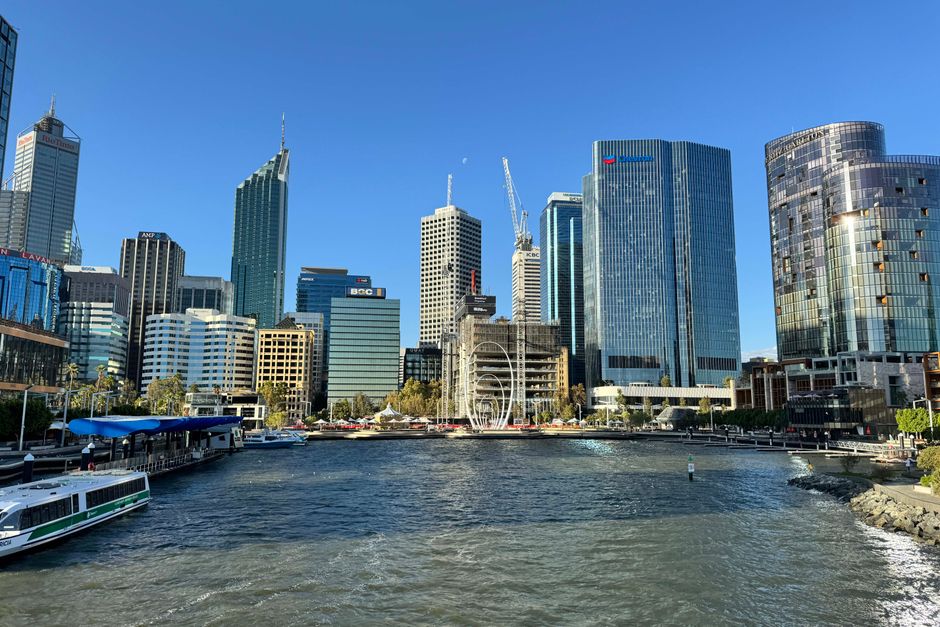
Perth's startup scene has enjoyed a golden run, but the mood in Barrack Street's growing cluster of venture offices and tech hubs has noticeably shifted. Global uncertainty—from stalled trade agreements to tighter credit conditions—is forcing local founders and investors to recalibrate expectations for the second half of 2026.
The message from venture capitalists and business accelerators across Perth's innovation precincts is consistent: profitability matters again. After years where growth-at-all-costs dominated the narrative, startups are now being scrutinised on unit economics and path to positive cash flow.
Data from the Perth Technology Council shows early-stage funding rounds completed in the first half of this year averaged 22 per cent smaller than the same period in 2025. Mid-market rounds—the $5 million to $15 million range that typically fuels scaling—have become considerably harder to close. Investors are also extending due diligence timelines by an average of three weeks, reflecting heightened caution about market exposure.
The headwinds are real, but opportunity remains for businesses thinking strategically. Sectors seeing sustained momentum include advanced manufacturing, AgTech, and clean energy—areas where Western Australia's resource sector expertise translates into commercial advantage. Startups leveraging automation in logistics, mining services, or renewable energy integration are finding investor interest remains warm.
Location matters too. The densification of tech talent around the Perth Innovation District—spanning the CBD through to South Perth—is creating genuine network effects. Proximity to corporate anchor tenants and research institutions along the Swan River corridor is becoming a competitive advantage for recruitment and partnership development.
For founders currently fundraising, advisors recommend three tactical adjustments. First, deepen relationships with strategic corporate partners early; large corporates are increasingly investing directly in startups aligned with their supply chains rather than waiting for venture capital to validate ideas. Second, prepare more granular financial models—investors want to see thoughtful scenarios, not optimistic projections. Third, consider geographic diversification of customer acquisition; over-reliance on local markets leaves startups vulnerable.
Office space pricing in innovation hubs remains elevated—expect $300–$380 per square metre in premium Barrack Street addresses—but hybrid work models mean startups are increasingly flexible about footprint. Shared workspace operators report steady demand as companies right-size.
The Perth startup ecosystem has weathered cycles before. Today's contraction is painful but not fatal. Founders who focus on sustainable unit economics, build defensible competitive advantages, and maintain disciplined capital allocation will be well-positioned when conditions improve—likely in late 2026 or early 2027.
This article was compiled by AI and screened before publishing. See our editorial standards.
Spread the word
About this article
Published by The Daily Perth
Stay in the loop
Daily brief
Free, in your inbox before 7am. Weekdays.
The Daily Network — local news across Australia
More local news across Australia