Local Developer Transforms Perth CBD With Adaptive Reuse Strategy
As global trade tensions reshape business patterns, a homegrown Perth entrepreneur is betting big on adaptive reuse and flexible workspaces in the heart of the city.
2 min read
As global trade tensions reshape business patterns, a homegrown Perth entrepreneur is betting big on adaptive reuse and flexible workspaces in the heart of the city.
2 min read
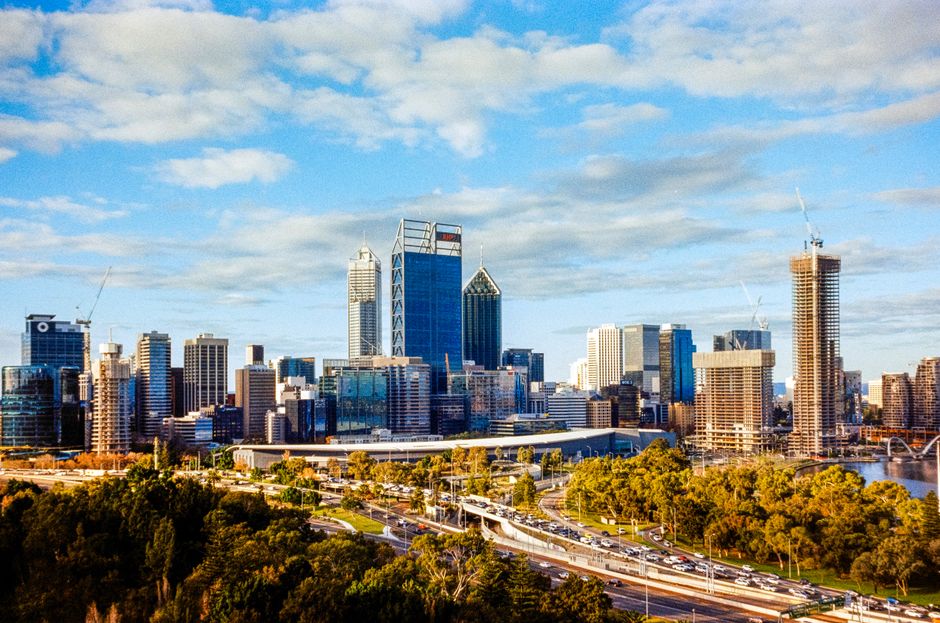
While international headlines dominate with trade disputes and geopolitical friction, Perth's commercial property sector is experiencing a quieter but equally significant transformation. At the centre of this shift is a local developer whose vision for the city's office market is proving prescient in an era of economic uncertainty.
The past 18 months have seen substantial changes in how Perth businesses approach their real estate strategy. Office vacancy rates in the CBD hovered around 12% in early 2026, up from 8% two years prior, reflecting the broader post-pandemic shift toward hybrid working arrangements. Yet pockets of the market—particularly around St Georges Terrace and the emerging precinct near the new Perth Cultural Centre—are experiencing renewed investment activity.
Key to this revival is adaptive reuse: converting heritage and mid-century office buildings into mixed-use spaces that blend traditional office, co-working, hospitality, and residential components. One local operator has been leading this charge, acquiring underperforming assets in Hay Street and around the Perth CBD's fringe and transforming them into sought-after commercial addresses.
The strategy reflects broader market realities. While global trade tensions—including recent US moves on North American agreements—create headwinds for export-dependent businesses, Perth's professional services, resources consulting, and creative sectors remain robust. Companies increasingly seek flexible, tech-enabled office environments with integrated amenities rather than sprawling traditional floors.
Commercial real estate agents report strong leasing activity for spaces under 2,000 square metres, particularly in Northbridge and the emerging Subiaco tech corridor. Average net face rents in prime CBD locations have stabilised around $280-320 per square metre annually, with landlords who've invested in building amenities commanding premium rates.
The developer's portfolio now spans eight properties across central Perth, with plans to add another four by 2027. Their projects have consistently achieved 85-90% occupancy within 12 months of completion—substantially above market averages. The success hinges on understanding what modern Perth businesses actually need: reliable connectivity, collaborative spaces, proximity to transport, and genuine community.
As uncertainty roils global markets, Perth's commercial property sector is finding stability through innovation and local insight. It's a reminder that while international forces shape broad economic currents, shrewd local operators who understand their city's unique strengths and evolving needs can thrive regardless.
This article was compiled by AI and screened before publishing. See our editorial standards.
Spread the word
About this article
Published by The Daily Perth
Stay in the loop
Daily brief
Free, in your inbox before 7am. Weekdays.
The Daily Network — local news across Australia
More local news across Australia