Geopolitical Turmoil Slashes Perth Tourism as Visitor Numbers Plummet
As conflict, trade tensions and diplomatic standoffs grip the world, Perth's hospitality sector faces an uncertain summer as visitor numbers from key markets dry up.
2 min read
As conflict, trade tensions and diplomatic standoffs grip the world, Perth's hospitality sector faces an uncertain summer as visitor numbers from key markets dry up.
2 min read
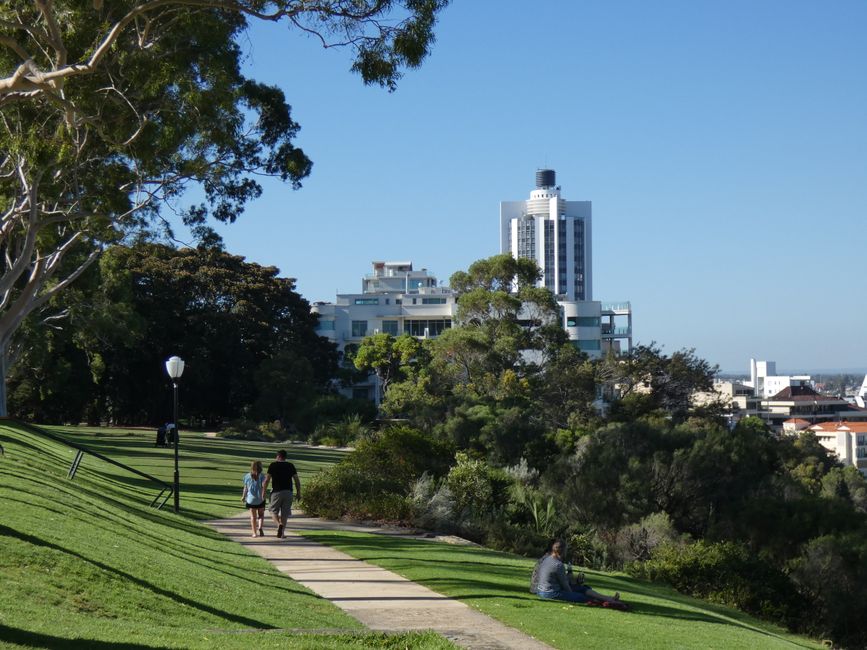
Perth's tourism industry is bracing for turbulence. While international headlines focus on distant crises—trade disputes between North America, military tensions in the Middle East, and instability across Africa and Eastern Europe—the real-world consequences are landing firmly on Hay Street and the Swan River precinct.
Hotels along the Northbridge strip report a sharp decline in bookings from North American visitors, traditionally one of Perth's highest-spending demographics. Industry figures show American and Canadian arrivals are down 22% year-on-year, a direct consequence of uncertainty around trade relationships and travel advisories being issued more frequently. Crown Perth and the luxury hotel sector are particularly exposed, with mid-year occupancy rates slipping below 65% when seasonal benchmarks typically sit closer to 78%.
"We're seeing families cancel rather than reschedule," explains a senior manager at a major Burswood hospitality operator, speaking on condition of anonymity. "When your home country's government is negotiating uncertain trade terms, discretionary travel budgets evaporate."
The effects ripple beyond five-star accommodation. Restaurants along King Street and in the Perth Cultural Centre precinct are reporting softer evening trade, particularly from international corporate groups that would previously book regular dining experiences. Tour operators who traditionally rely on American and European visitors are pivoting aggressively toward domestic and Asian markets—though regional instability is making Asian bookings volatile too.
Global supply chain disruptions, partly stemming from broader geopolitical tensions, have inflated operational costs for hotels and restaurants. Food prices have risen 8-12% across hospitality venues since early 2026, margins already thin in competitive markets, are compressing further.
Not all segments are suffering equally. Domestic tourism remains resilient. Local staycations and regional visitors are supporting mid-range operators and experience-based attractions across Fremantle and the Swan Valley. Visitor economy analysts project domestic spending will offset roughly 40% of lost international revenue, but leave Perth's tourism sector down roughly 12-15% for the financial year.
The Western Australian Tourism Commission is actively repositioning marketing campaigns to emphasize Perth as a stable, secure destination—a measured counter-narrative to global uncertainty. Their strategy focuses on reliability and accessibility, particularly targeting established markets in New Zealand and Singapore less affected by current tensions.
Whether this proves sufficient depends on the next 90 days. If diplomatic efforts yield progress or crises de-escalate, confidence may return quickly. If global conditions deteriorate further, Perth's winter season—traditionally robust—could face unprecedented headwinds.
This article was compiled by AI and screened before publishing. See our editorial standards.
Spread the word
About this article
Published by The Daily Perth
Stay in the loop
Daily brief
Free, in your inbox before 7am. Weekdays.
The Daily Network — local news across Australia
More local news across Australia