Perth Office Vacancy Crisis: 2024 CBD Property Market
Perth's CBD office vacancy hits 14%. Learn why rents are falling 20%, how hybrid work is reshaping the city centre, and what it means for your community.
2 min read
Perth's CBD office vacancy hits 14%. Learn why rents are falling 20%, how hybrid work is reshaping the city centre, and what it means for your community.
2 min read
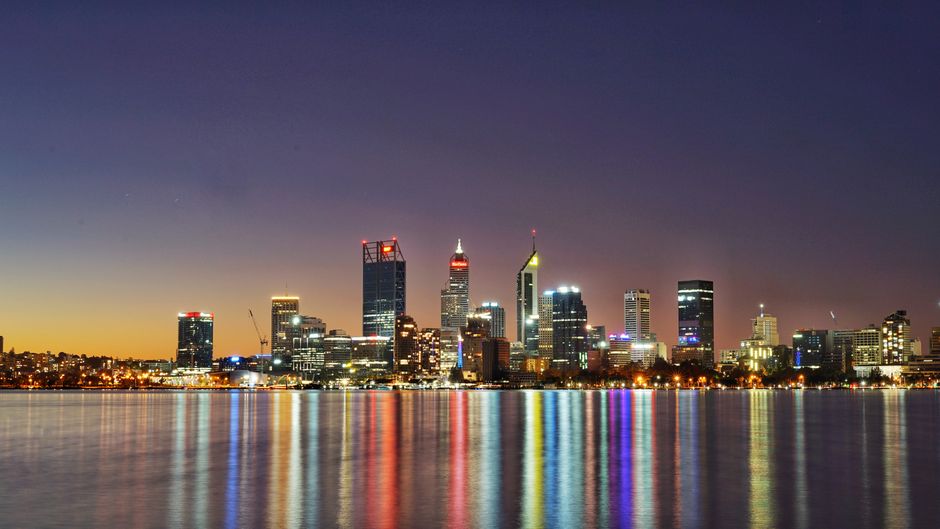
Walk down St Georges Terrace or peer into the glass towers of Perth's CBD and you'll notice something: a lot of empty desks. The commercial property market that once defined Perth's prosperity is undergoing its most significant transformation in decades, and unlike the dramatic geopolitical shifts dominating global headlines, this one affects your wallet directly.
The numbers tell the story. Perth's office vacancy rate has climbed to roughly 13-14 per cent in prime CBD locations—double what it was five years ago. Meanwhile, asking rents for premium office space have dropped from peaks of $600-plus per square metre to closer to $450-500, according to recent commercial real estate surveys. For context: that's a 20 per cent correction in just two years.
What's driving this? The hybrid work revolution that accelerated during the pandemic has fundamentally altered how companies view real estate. Major corporations—including mining services firms and professional services providers that anchor Perth's economy—are consolidating footprints. Fewer employees need desk space. Technology means meetings happen virtually. The result: landlords competing aggressively for tenants, and older, less efficient buildings becoming increasingly unviable.
Why should everyday residents care? Several reasons. First, property valuations: if commercial vacancy rises further, entire precincts like East Perth and Northbridge become less vibrant, which affects residential property values in these mixed-use neighbourhoods. Second, your employer's decisions. If your company relocates from expensive CBD space to cheaper suburban offices, your commute changes. Third, city activation: fewer office workers means fewer customers for cafés, restaurants, and retail around Perth's core. The human traffic that makes the city feel alive thins out.
There's a silver lining. Property owners are increasingly converting underused office towers into residential apartments—Perth's residential shortage makes this economically sensible. The Docklands precinct and areas near the Swan River are seeing genuine transformation. The old Wesfarmers building and other heritage structures are being reimagined rather than demolished.
For residents and prospective property buyers, the takeaway is clear: Perth's CBD is mid-transition. It won't remain the conventional office hub it once was. Instead, it's becoming more mixed-use, more residential-focused, and frankly, more interesting. But this shift happens unevenly across neighbourhoods. Before buying, renting, or making investment decisions near the city centre, understand that your location's future depends less on corporate tenancy than it did ten years ago.
The global headlines about trade wars and geopolitical instability feel distant. But Perth's property transformation? That's happening on your doorstep.
This article was compiled by AI and screened before publishing. See our editorial standards.
Spread the word
About this article
Published by The Daily Perth
Stay in the loop
Daily brief
Free, in your inbox before 7am. Weekdays.
The Daily Network — local news across Australia
More local news across Australia