Global tensions force Perth office market to reassess commercial strategy
As trade tensions, conflict and economic uncertainty ripple across the world, Perth's commercial property sector faces a critical reckoning.
2 min read
As trade tensions, conflict and economic uncertainty ripple across the world, Perth's commercial property sector faces a critical reckoning.
2 min read
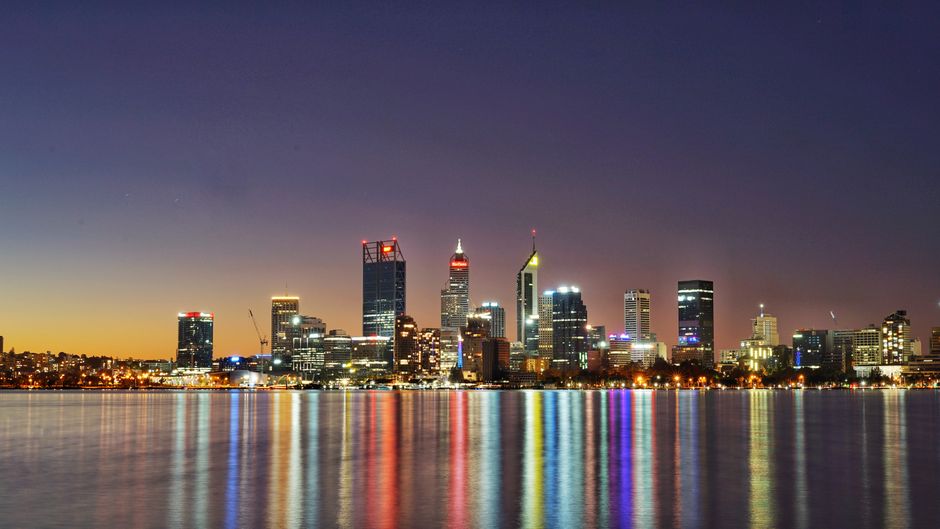
Perth's office market has long thrived on stability and predictability. But 2026 is proving that assumption dangerously outdated. The collapse of multilateral trade frameworks, mounting geopolitical tensions across Europe and the Middle East, and supply chain fragmentation are forcing Perth's commercial property sector to recalibrate fundamentally—and quickly.
The numbers tell a sobering story. Perth CBD office vacancy rates have edged toward 8.5 per cent, a five-year high, as multinational firms reassess their Australian footprints. Rents on St Georges Terrace, traditionally commanding premium rates above $650 per square metre annually, have plateaued for the first time in a decade. Property managers across the city's premium precincts—from the Hay Street corridor to Elizabeth Quay—report increased tenant enquiries about flexible lease arrangements and smaller floorplates.
The underlying problem is straightforward: global uncertainty is making long-term real estate commitments unpalatable. Firms headquartered in North America are reconsidering expansion plans following recent trade restrictions affecting their Australian operations. European companies maintaining Perth operations face currency volatility and potential sanctions-related complications. Even tech firms that once viewed Perth as an attractive Asia-Pacific hub are deferring new leases.
"We're seeing a structural shift," explains activity across commercial agencies handling deals on Barrack Street and neighbouring precincts. Smaller, agile tenants—professional services, creative industries, startups—are competing more aggressively for space, while traditional corporate anchors pause or consolidate.
Yet Perth's market is far from collapsing. Several factors offer protection. The city's exposure to resources and infrastructure—sectors less immediately vulnerable to trade wars—provides ballast. Domestic demand remains resilient, particularly from WA-based companies confident in local economic fundamentals.
Savvy investors are pivoting strategy. Mixed-use developments combining office, hospitality and residential space are gaining traction in emerging precincts around the Cultural Quarter and Perth's eastern suburbs. Landlords increasingly offer tenant incentives—fit-out contributions, rent abatement—rather than competing on headline rates alone.
The broader lesson for Perth's business community is unavoidable: local commercial property is no longer insulated from global shocks. Companies planning office space should factor geopolitical volatility into their decision-making, negotiate flexibility into leases, and consider hybrid working arrangements as hedges against future uncertainty.
Perth's commercial sector will weather this storm. But the days of assuming global stability are definitively over.
This article was compiled by AI and screened before publishing. See our editorial standards.
Spread the word
About this article
Published by The Daily Perth
Stay in the loop
Daily brief
Free, in your inbox before 7am. Weekdays.
The Daily Network — local news across Australia
More local news across Australia