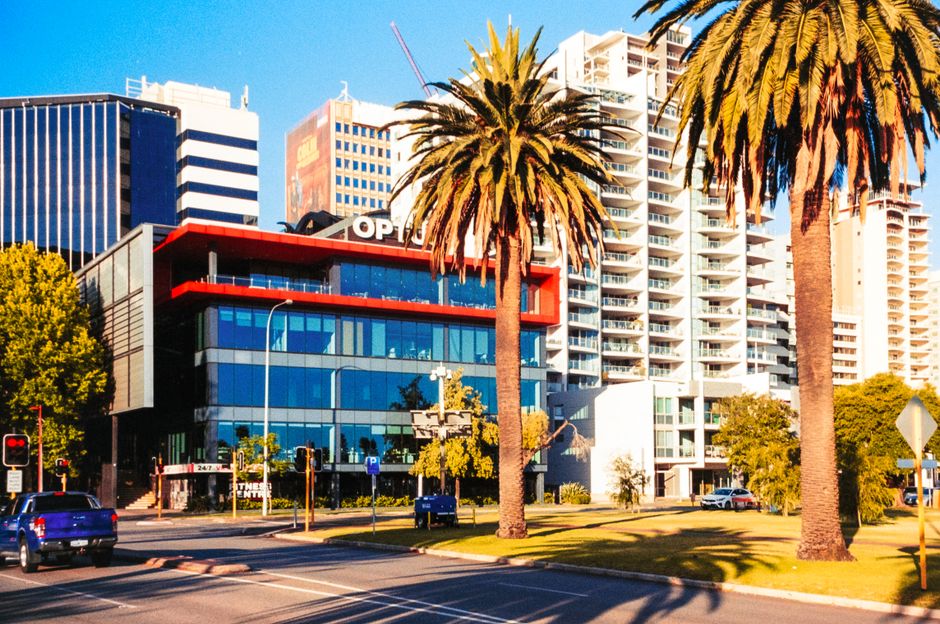
Perth's thriving startup ecosystem faces an unprecedented headwind as geopolitical instability reverberates through supply chains and investor confidence falters worldwide. From the tech incubators clustered along the Perth waterfront to the emerging biotech cluster in Subiaco, founders are confronting a stark reality: the world's economic architecture is becoming increasingly fragile.
The collapse of long-term North American trade arrangements is hitting hardest. Local software firms that have built business models around seamless US market access are now facing tariff uncertainty and logistics delays. "We're seeing shipping costs to North American partners jump 30-40% in recent weeks," says one Northbridge-based venture founder, speaking on condition of anonymity. "That directly impacts our unit economics."
The broader geopolitical backdrop—from European instability to Middle Eastern tensions and African supply chain disruptions—is creating a perfect storm for Perth startups that rely on international talent pipelines and global customer bases. Student visa applications from conflict-affected regions have dropped sharply, while tech talent that might have relocated to Perth from Ukraine or Venezuela is now focused on immediate survival, not career advancement.
Yet Perth's innovation district is adapting. The state government's recent push to diversify investment away from traditional mining has created unexpected opportunities. Local venture capital firms are increasingly looking inward, supporting founders who service domestic markets rather than chase unstable international expansion. East Perth's growing hub of cleantech startups, for instance, is finding tailwinds in Australia's renewable energy transition—a market less susceptible to offshore volatility.
Companies occupying shared workspace at venues like The Boiler House and Stone & Chalk are also reshaping supply chains. Several hardware startups have begun reshoring manufacturing components previously sourced from Southeast Asian suppliers now facing logistics bottlenecks. The economics are tighter, but the reliability has proven worth the premium.
Still, the mood at recent Perth innovation forums reflects underlying anxiety. Founders who spent 2024-2025 planning aggressive international expansion are now stress-testing their assumptions. Investor appetite for "moonshot" global plays has contracted noticeably, with capital increasingly flowing toward businesses with clear domestic defensibility.
Perth's startup ecosystem will ultimately prove resilient. But the age of assuming stable global logistics and open trade is over. Local founders who can thrive within this constrained reality—leveraging Perth's advantages in talent, cost, and quality of life—will emerge stronger. The question is how many will be left standing when the dust settles.
This article was compiled by AI and screened before publishing. See our editorial standards.