Perth's Job Market Signals Where $Billions in Investment Flows Next
As global trade tensions mount, local business leaders decode job market signals to predict where capital will flow next.
2 min read
As global trade tensions mount, local business leaders decode job market signals to predict where capital will flow next.
2 min read
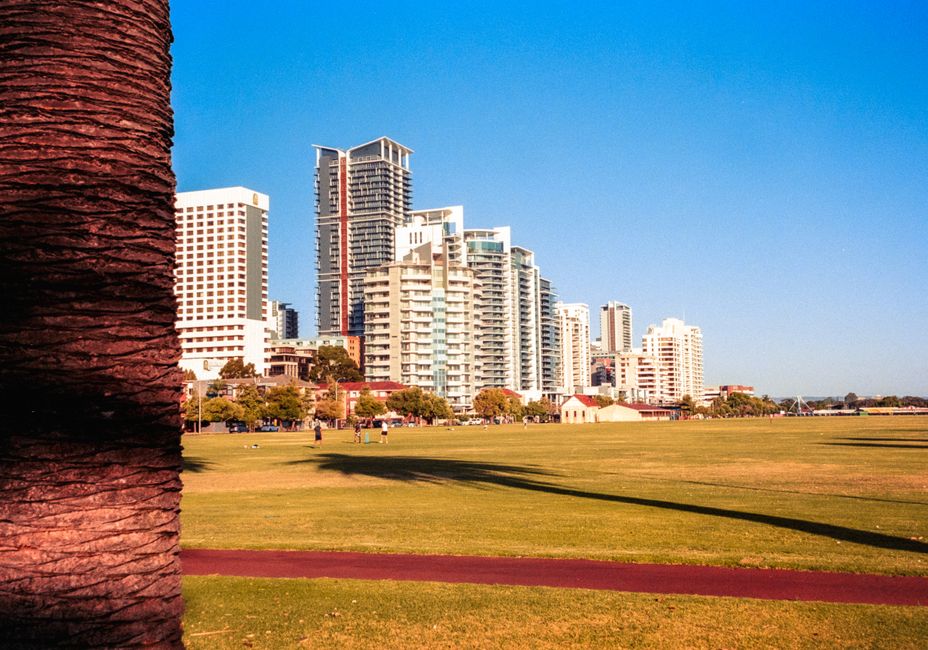
Perth's employment landscape is sending mixed signals, and understanding what the numbers actually mean has become essential for businesses betting on the city's economic direction.
The latest quarterly figures show job creation in the CBD and surrounding precincts—particularly around the Elizabeth Quay and Kings Park business corridors—has slowed to 1.2 per cent annually, down from 3.1 per cent two years ago. This deceleration reflects a broader pattern: cautious investment flows as multinational firms reassess their exposure to volatile global supply chains.
"When you see hiring slow in financial services and professional services, that's your canary in the coal mine," explains the logic behind watching employment patterns. Perth's finance sector, traditionally concentrated along St Georges Terrace, has seen headcount growth plateau. This matters because finance jobs typically signal confidence about broader economic activity. Fewer new accountants, fewer new legal roles, fewer new management consultants—it suggests corporations aren't positioning themselves for rapid expansion.
The construction and infrastructure sectors tell a different story. Projects along the Perth waterfront and in emerging suburban nodes like Burswood continue attracting investment, keeping employment relatively steady in trades and project management roles. This sectoral divergence matters: it reveals where investor capital actually is flowing, versus where it's being withheld.
Property values offer another indicator. Median commercial property prices in the CBD have held firm around $8,500 per square metre over the past eighteen months, while peripheral business parks in Malaga and Osborne Park have appreciated at double that rate. This spatial shift in values signals investor preference for operational flexibility over prestige addresses—a vote of confidence in dispersed, cost-efficient business models rather than concentrated downtown operations.
Wage growth presents perhaps the clearest picture. Professional services roles in the CBD are seeing 2.4 per cent annual increases, while skilled trades are commanding 4.8 per cent rises. When employers must offer significant premiums to attract tradespeople, it signals two things: genuine demand for operational work, and difficulty recruiting—suggesting workers have options, which speaks to underlying labour market tightness despite overall hiring slowdowns.
The real insight lies in cross-reading these signals. Slower CBD employment growth combined with sustained construction activity and rising trade wages suggests Perth's economy is rebalancing. Capital is moving from traditional headquarters functions toward infrastructure and manufacturing-adjacent services. This isn't decline; it's repositioning.
For job seekers and investors alike, the message is clear: Perth's economy isn't following yesterday's script. Understanding which indicators matter—and how they connect—separates strategic decisions from reactive guesses.
This article was compiled by AI and screened before publishing. See our editorial standards.
Spread the word
About this article
Published by The Daily Perth
Stay in the loop
Daily brief
Free, in your inbox before 7am. Weekdays.
The Daily Network — local news across Australia
More local news across Australia