Trade winds turning: Perth's export sector braces for turbulent 2026
Global uncertainty, protectionist policies and geopolitical tensions are creating unprecedented headwinds for Western Australia's business community.
2 min read
Global uncertainty, protectionist policies and geopolitical tensions are creating unprecedented headwinds for Western Australia's business community.
2 min read
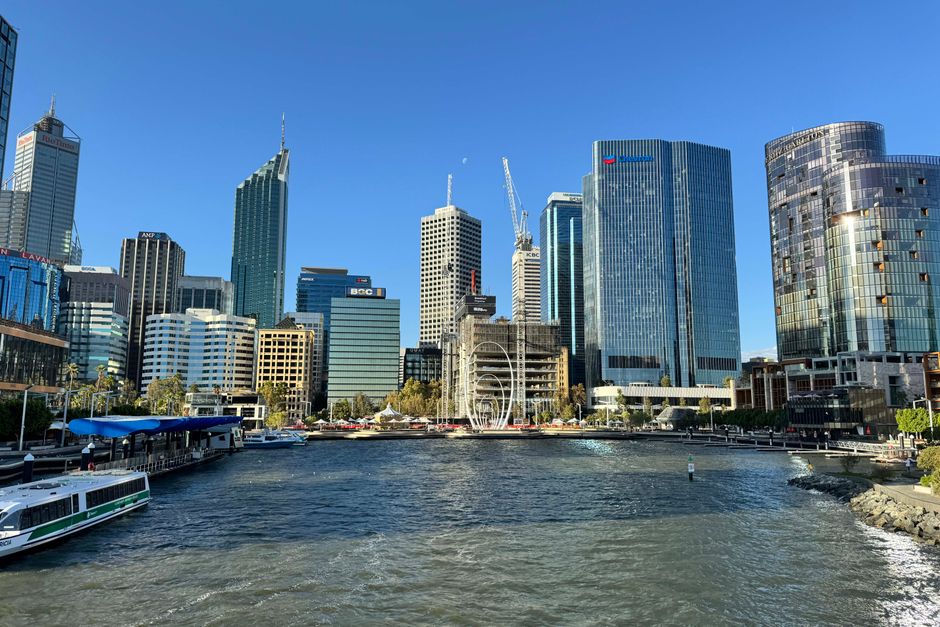
Perth's trading floors have rarely felt more unsettled. As we enter the second half of 2026, the city's export-dependent businesses—from the commodity traders clustered around the Perth CBD to the specialist logistics firms dotting the Kewdale industrial precinct—are confronting a perfect storm of international obstacles that threaten to derail years of steady growth.
The signals are unmistakable. Major trading blocs are retreating into protectionism. North American trade arrangements face unprecedented scrutiny from Washington, with long-term renewal now in serious doubt. For Perth's agribusiness sector and resource exporters who depend on continental markets, this represents a seismic shift in the rules that have governed their operations for decades.
Meanwhile, geopolitical fragmentation is rewriting supply chains overnight. Indirect diplomacy between superpowers, escalating regional tensions from the Mediterranean to sub-Saharan Africa, and emerging conflicts in Eastern Europe are creating insurance and logistical costs that squeeze margins across the board. Container rates from Port of Fremantle have remained volatile, with some routes seeing 18-22% variation month-on-month.
"We're seeing clients reassess their entire distribution networks," explains the sentiment from trading houses along St Georges Terrace, though specific commentary remains guarded. International freight forwarders operating from Northbridge report unprecedented demand for contingency planning services—a telling indicator of widespread anxiety among shippers.
The currency environment adds another layer of complexity. The Australian dollar's movements against major trading partners have become harder to predict, forcing exporters to maintain larger hedging positions. For mid-sized manufacturers and agricultural processors—the backbone of Perth's trading ecosystem—these costs are no longer negligible.
Compliance costs have also escalated. Tightening sanctions regimes, shifting trade agreement terms, and increasingly fragmented regulatory environments mean that businesses must invest heavily in legal and compliance infrastructure simply to maintain existing relationships. Firms that once operated with streamlined export departments now require dedicated international trade specialists.
Perhaps most troubling is the uncertainty itself. Businesses thrive on predictability. When the ground rules change monthly—when long-standing trade partners signal protectionist intent, when geopolitical flashpoints proliferate—investment decisions freeze. Perth's export community, accustomed to planning years ahead, is instead managing quarter-to-quarter contingencies.
The consensus among logistics providers and trading firms is clear: 2026 will test whether Perth's business community can adapt faster than the international system fractures. Those betting on the status quo may find themselves badly positioned when the final quarter arrives.
This article was compiled by AI and screened before publishing. See our editorial standards.
Spread the word
About this article
Published by The Daily Perth
Stay in the loop
Daily brief
Free, in your inbox before 7am. Weekdays.
The Daily Network — local news across Australia
More local news across Australia