Perth Employers Compete as Rising Costs Drive Skilled Workers Away
Rising living pressures and volatile investment flows are triggering a shift in how local employers compete for skilled workers in Western Australia's capital.
2 min read
Rising living pressures and volatile investment flows are triggering a shift in how local employers compete for skilled workers in Western Australia's capital.
2 min read
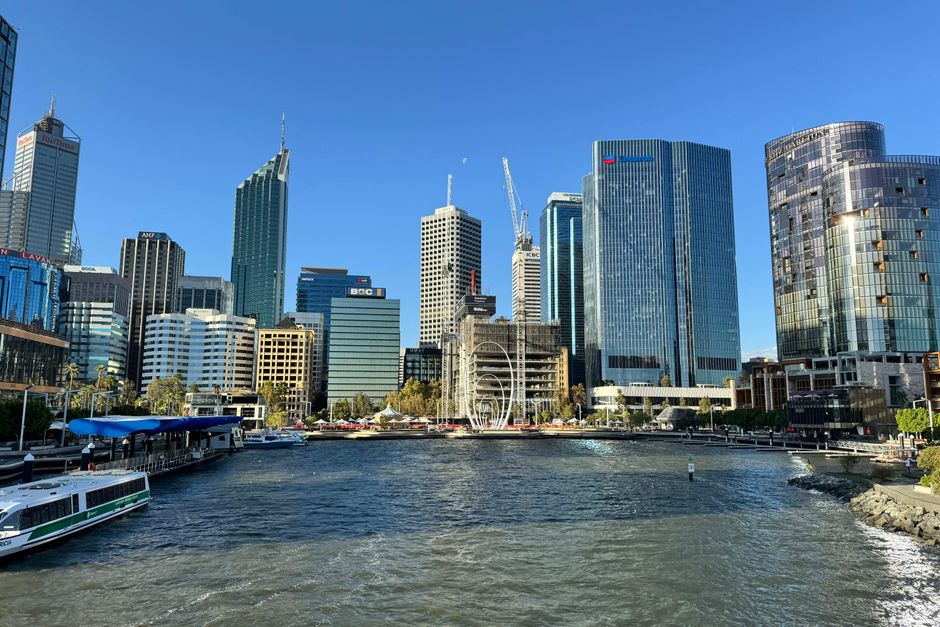
Perth's traditionally resilient job market is undergoing a quiet but significant transformation as global economic uncertainty collides with Australia's soaring cost of living, forcing major employers across the CBD and surrounding precincts to fundamentally rethink how they attract and retain talent.
The shift is most visible in the finance and professional services sector, which dominates the business districts around St Georges Terrace and the Swan River precinct. Sources within Perth's major banks and investment firms report increased difficulty filling mid-level positions, with candidates increasingly demanding flexible working arrangements and wage premium packages that reflect the city's housing pressures. Median rental prices in inner-city suburbs like Northbridge and East Perth have climbed beyond $2,200 monthly for two-bedroom properties, while median house prices exceed $900,000—figures that fundamentally reshape what professionals consider viable employment.
"We're seeing skilled workers make decisions differently than they did three years ago," explains one recruitment consultant working with major corporates in the Perth CBD, noting that candidates now routinely factor in commute costs and housing affordability when evaluating offers. The phenomenon extends beyond finance into technology and engineering roles, where competition for talent is intensifying.
This broader context matters. Geopolitical tensions affecting global trade routes, currency volatility, and uncertainty around investment frameworks mean Perth's economy—historically tied to resources and international commerce—faces headwinds that directly impact local employment confidence. The pause in North American trade arrangements and broader global instability have rippled through Perth's business community, creating hesitancy around expansion plans.
Several major employers have responded by introducing remote-work policies previously unthinkable in Perth's corporate culture, allowing staff to relocate to lower-cost regional areas while maintaining professional roles. Others are investing in upskilling programs to develop local talent rather than competing for experienced interstate recruits. The University of Western Australia and Curtin University report increased enrolments in professional development courses, suggesting workers are hedging against uncertainty.
Real estate agents across Subiaco and the West Perth business quarter report a corresponding shift: mid-career professionals are downsizing or exiting the property market entirely, redirecting capital into more liquid investments amid uncertainty. This represents a departure from Perth's long-standing property investment culture.
The talent exodus remains moderate by national standards, but the trajectory troubles business leaders preparing for the remainder of 2026. Perth's capacity to retain its skilled workforce—traditionally one of the city's competitive advantages—now depends on whether employers can match the lifestyle and financial security that global uncertainty has made paramount for local professionals.
This article was compiled by AI and screened before publishing. See our editorial standards.
Spread the word
About this article
Published by The Daily Perth
Stay in the loop
Daily brief
Free, in your inbox before 7am. Weekdays.
The Daily Network — local news across Australia
More local news across Australia