Perth's Finance Sector Faces Headwinds as Investment Caution and Cost Pressures Mount
Rising operational costs, volatile markets, and changing regulatory demands are testing the resilience of the city's financial services industry.
2 min read
Rising operational costs, volatile markets, and changing regulatory demands are testing the resilience of the city's financial services industry.
2 min read
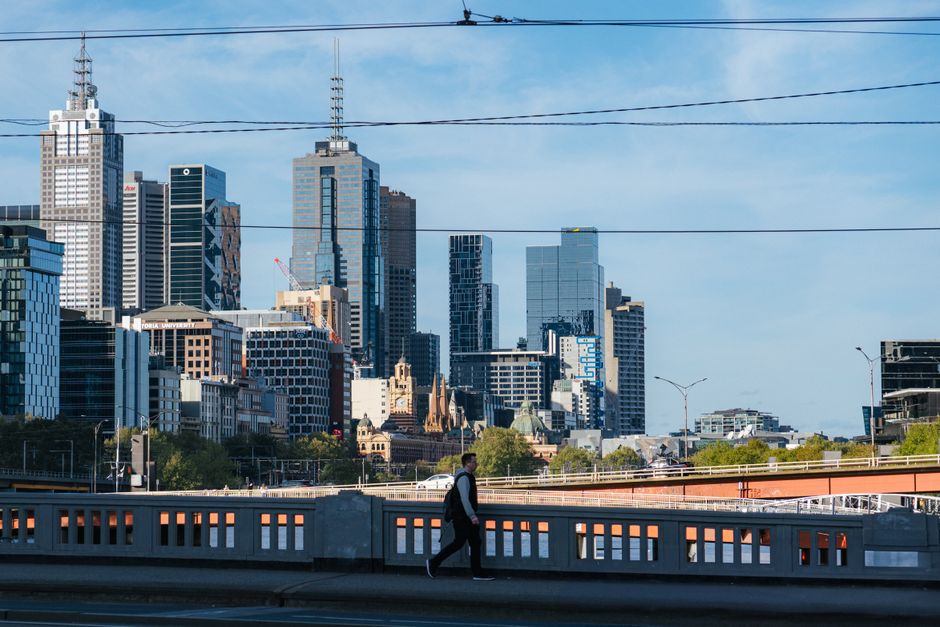
Perth's financial services sector is bracing for a challenging remainder of 2026, as mounting cost pressures and investment uncertainty create a perfect storm for firms operating along St Georges Terrace and beyond. The convergence of inflationary pressures, regulatory complexity, and shifting client behaviour is forcing finance professionals to recalibrate their strategies and budgets.
The cost of doing business in Perth's CBD has become increasingly prohibitive. Office space in premium locations—particularly around the Perth CBD's central business district—now commands rents that have climbed approximately 15 per cent since early 2025, according to commercial property analysts tracking the market. For mid-sized advisory firms and wealth managers, these escalating occupancy costs are eating directly into margins already compressed by competitive fee pressures and reduced trading volumes.
Beyond real estate, wage inflation remains a persistent headwind. Recruitment and retention of skilled analysts, portfolio managers, and compliance officers has become more expensive, with starting salaries for junior finance roles now regularly exceeding $65,000—a jump that many smaller operations struggle to absorb. The competition for talent extends beyond Perth itself, with eastern states increasingly poaching qualified professionals through incentive packages.
Global volatility compounds domestic challenges. Geopolitical tensions affecting commodity markets and energy prices have created unpredictability that directly impacts client portfolios—particularly those with exposure to resources sectors traditionally linked to Perth's economy. This volatility, combined with uncertain interest rate trajectories, has prompted many investors to adopt a wait-and-see approach, reducing trading activity and advisory revenue streams.
Regulatory compliance costs have also spiked. Tighter oversight of financial advice, enhanced customer due diligence requirements, and updated data privacy obligations have necessitated substantial investment in technology and personnel. Firms operating across multiple Australian jurisdictions face compounding complexity, pushing compliance budgets beyond historical baselines.
The downtown Perth hospitality scene—venues like those clustered near Forrest Place where finance professionals traditionally network—has also seen price increases, with business lunches and entertainment costs rising steadily. These seemingly peripheral expenses accumulate across departmental budgets.
Industry insiders acknowledge that differentiation through service quality, technological innovation, and genuine value-add advice has become essential. However, the investment required to modernise platforms and retain expertise leaves little room for error. Smaller operators face genuine existential questions about viability, while larger institutions are consolidating their Perth presences or adjusting service models.
As the financial year progresses, Perth's finance sector will likely see further consolidation, strategic retreats to core markets, and accelerated digital transformation—not by choice, but by necessity.
This article was compiled by AI from the sources linked above and screened before publishing. See our editorial standards.
Spread the word
About this article
Published by The Daily Perth
Stay in the loop
Daily brief
Free, in your inbox before 7am. Weekdays.
The Daily Network — local news across Australia
More local news across Australia