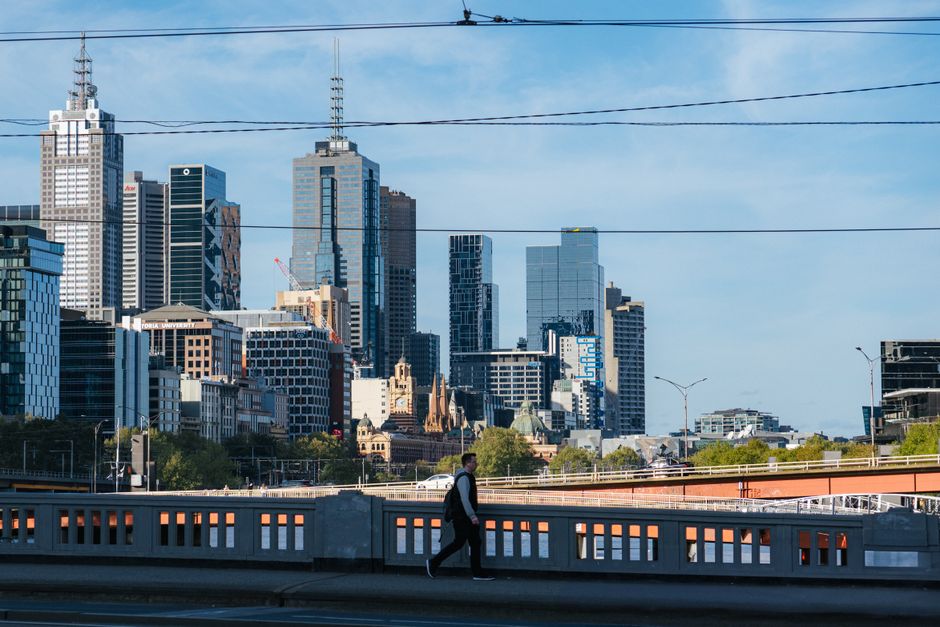
As hybrid arrangements become permanent, local employers are competing harder for workers while real estate along St Georges Terrace faces an unexpected reckoning.
Perth's employment landscape is undergoing a fundamental shift that extends far beyond flexible Fridays. Three years into the post-pandemic era, the city's job market is being reshaped by a stubborn reality: workers increasingly refuse to return to traditional office environments, forcing local businesses to radically rethink recruitment, retention, and real estate strategy.
Data from the Western Australian Chamber of Commerce and Industry reveals that 64 per cent of Perth-based professional services firms now operate on permanent hybrid models, up from just 18 per cent in early 2023. For businesses clustered in the CBD's premium office towers—particularly along St Georges Terrace and around the Docklands—this represents both crisis and opportunity.
"We're seeing a genuine talent advantage for companies willing to embrace flexibility," says a spokesperson for the Perth Business Improvement District. Major employers in Subiaco and the CBD's Precinct precincts report that remote-first policies have expanded their recruiting radius beyond the metropolitan area, drawing skilled professionals from regional WA towns and even interstate.
Advertisement
The shift is creating unexpected winners. Cafes and co-working spaces in neighbourhoods like Mount Lawley, Northbridge, and East Perth have reported 40 per cent growth in daytime occupancy as workers split their week between home offices and collaborative spaces. The rise of "third places" has breathed new life into local hospitality venues that struggled during lockdown.
However, traditional office landlords face mounting pressure. Several premium properties on St Georges Terrace have seen occupancy rates slip below 75 per cent, with asking rents declining by 8-12 per cent over the past 18 months. Property managers report that tenants are downsizing footprints rather than renewing long-term leases.
For job seekers, the changes are decidedly mixed. While flexibility benefits working parents and those with caring responsibilities, wage growth in Perth remains sluggish at 2.1 per cent annually—below the national average. Competition for roles that offer genuine flexibility rather than performative "flexibility" remains fierce, with candidate pools for desirable positions growing by up to 300 per cent.
Small to medium enterprises face particular challenges. While multinational corporations can afford sophisticated hybrid infrastructure and employer branding campaigns, local mid-market firms struggle to compete for talent without deep pockets or established brand recognition. Many have begun investing in workplace culture initiatives and professional development rather than office aesthetics to attract workers.
As Perth enters the second half of 2026, the city's employment market is stabilising around this new normal—but at significantly different coordinates than the pre-pandemic playbook suggested.
This article was compiled by AI from the sources linked above and screened before publishing. See our editorial standards.