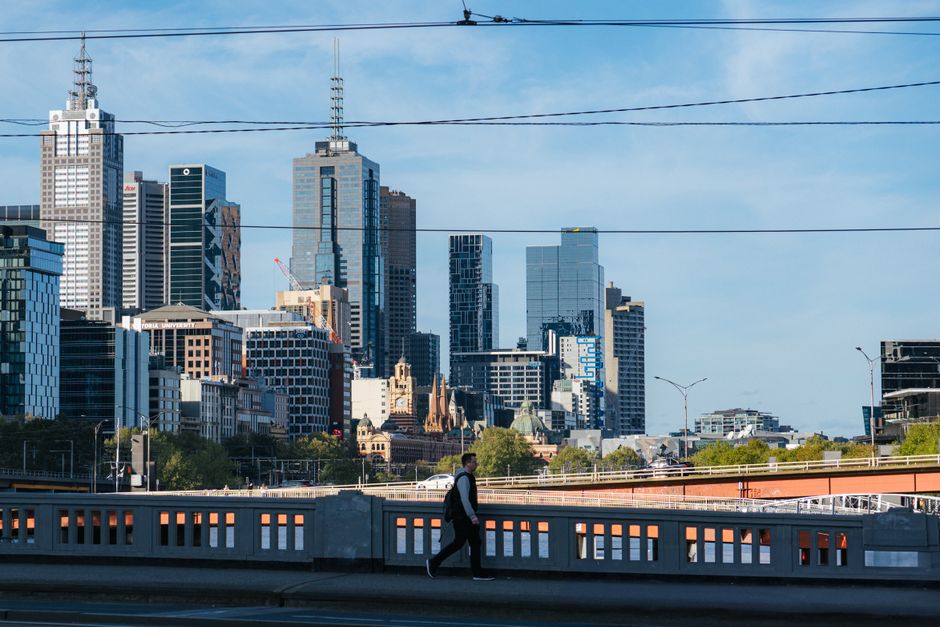
Rising interest rates, hybrid working trends, and oversupply are creating an increasingly difficult landscape for commercial property investors and landlords across the CBD and beyond.
Perth's commercial property sector is navigating treacherous waters in 2026, with mounting pressures threatening to reshape the city's office landscape. After years of relative stability, the market is grappling with a convergence of challenges that have left investors and developers reassessing their strategies across the CBD and fringe suburbs.
Vacancy rates in central Perth have climbed to levels not seen since the post-mining boom contraction, with premium office space in the St Georges Terrace precinct and around the Forrest Centre experiencing notable softness. Industry data suggests the CBD office vacancy rate has edged toward 12-13%, a stark shift from the sub-10% levels that prevailed just eighteen months ago. Meanwhile, asking rents have plateaued, with some landlords offering incentives—free rent periods, fitout contributions—to secure tenants.
The structural shift toward hybrid and remote work arrangements continues to reshape demand patterns. Major corporations occupying substantial holdings along Hay Street and in the Kings Park periphery are actively consolidating footprints, reducing their real estate commitments as employees work from home several days weekly. This trend has accelerated landlords' pivot toward smaller, flexible office suites, but conversion costs and leasing friction remain significant obstacles.
Advertisement
Interest rate pressures compound these headwinds. Higher borrowing costs have dampened investment appetite, particularly among institutional buyers who traditionally underpin the market. Development yields have compressed, making new office construction economically marginal—a sharp contrast to the steady pipeline of projects that characterised 2023-2024.
The secondary office market around Subiaco and South Perth tells a similar story. Properties that once attracted premium rents are now competing fiercely for occupants, with some landlords reporting extended vacancy periods between tenancies.
Some bright spots persist. Co-working operators and flexible workspace providers continue to gain traction, particularly in emerging hubs like the East Perth precinct and around the Perth Convention and Exhibition Centre. Technology-focused businesses remain relatively resilient tenants. However, these pockets of demand cannot offset broader market softness.
Property professionals caution that the sector faces a recalibration period. Older, less efficient office stock—particularly buildings without modern sustainability credentials—face the steepest headwinds. Forward-thinking landlords are investing in upgrades and amenities to remain competitive, but capital expenditure decisions have become considerably more cautious.
The consensus among market watchers is clear: Perth's commercial property sector requires patience and strategic positioning. For investors, the message is sobering: expect slower capital growth, compressed yields, and a prolonged adjustment before market equilibrium returns.
This article was compiled by AI from the sources linked above and screened before publishing. See our editorial standards.