Perth's Retail and Hospitality Sector Braces for Turbulent Year Ahead
Rising operational costs, consumer caution and staffing pressures are creating a perfect storm for businesses across the city's dining and retail landscape.
2 min read
Rising operational costs, consumer caution and staffing pressures are creating a perfect storm for businesses across the city's dining and retail landscape.
2 min read
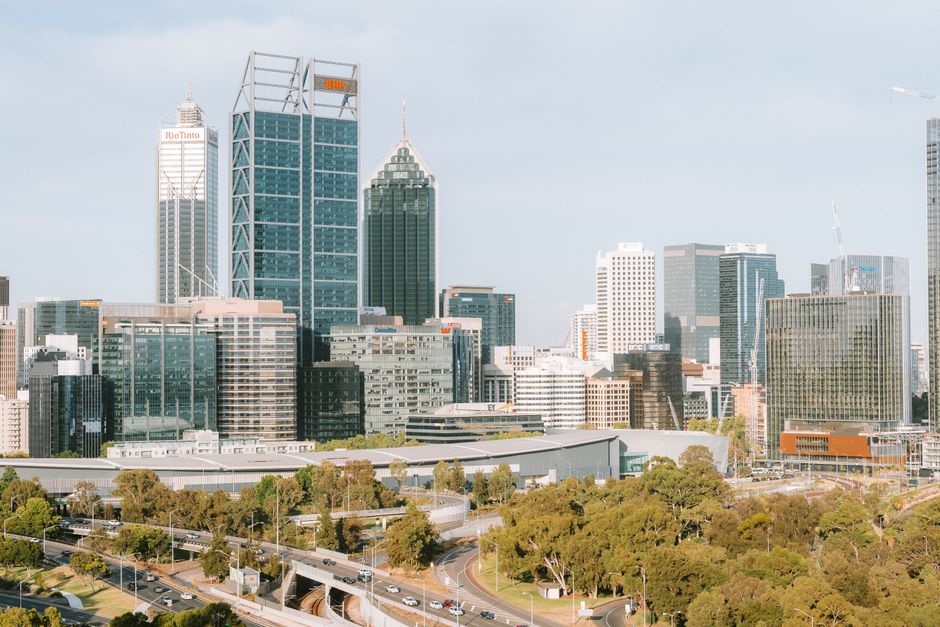
Perth's vibrant hospitality and retail sector is facing a confluence of headwinds that industry operators say will test their resilience well into 2027. From Northbridge's laneway bars to the premium dining precincts along St Georges Terrace, and across the retail corridors of Hay Street and Murray Street, business owners are grappling with cost inflation, weakening consumer confidence and an acute talent shortage.
The Western Australian Retailers and Traders Association reports that comparable store sales across Perth's CBD and inner suburbs have contracted by 4.2 per cent year-to-date, a sharper decline than the national average. For hospitality venues, the picture is similarly concerning. Energy costs for restaurants and bars have surged approximately 23 per cent since January, while food commodity costs remain elevated despite some moderation in global markets. Casual dining establishments report average operating margins have compressed to 8-12 per cent, down from 14-16 per cent three years ago.
"The cost of doing business has fundamentally shifted," explains one industry body representative, noting that staffing remains perhaps the most intractable challenge. Hospitality venues across Perth are reporting vacancy rates for chefs, wait staff and kitchen hands at their highest levels in a decade. Award wage increases—now reaching 7.2 per cent annually for hospitality workers—have created pressure particularly for smaller operators who cannot absorb costs through price increases without risking customer defection.
Consumer behaviour is shifting too. Data from the Perth Chamber of Commerce indicates discretionary spending on dining and non-essential retail dropped 6.8 per cent in the second quarter compared to the same period last year. Venue operators report customers are trading down to casual dining from fine dining, and retail shoppers are increasingly channelling purchases through online channels despite Western Australia's geographical disadvantages.
The structural challenges are compounded by timing. Several significant retail tenancies across the CBD remain vacant following recent lease expirations, while hospitality precincts in areas like East Perth and Subiaco are experiencing slower foot traffic as remote working patterns persist. Commercial landlords have begun moderating rent expectations, but for many operators, the reprieve comes too late to prevent margin deterioration this financial year.
Industry representatives acknowledge that while Perth's consumer market remains fundamentally sound—unemployment sits at 3.8 per cent and wage growth has recovered—sentiment remains cautious. Recovery, most suggest, will be gradual and uneven, with successful operators likely to be those who can differentiate through value, experience or niche positioning rather than competing on volume alone.
This article was compiled by AI from the sources linked above and screened before publishing. See our editorial standards.
Spread the word
About this article
Published by The Daily Perth
Stay in the loop
Daily brief
Free, in your inbox before 7am. Weekdays.
The Daily Network — local news across Australia
More local news across Australia