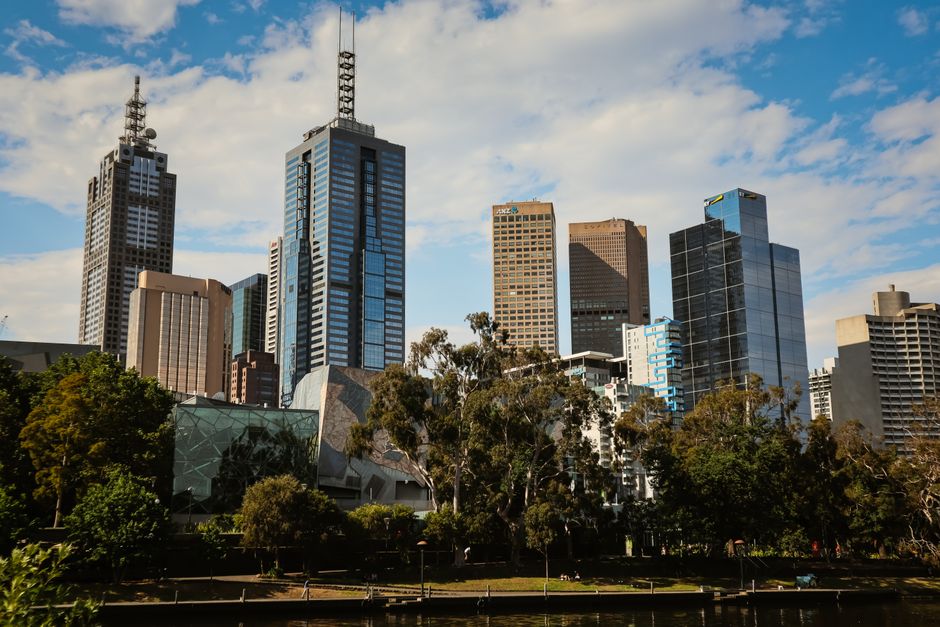
As international travel reshapes post-pandemic, Perth operators are recalibrating strategies around emerging regional demand and changing spending habits.
Perth's visitor economy is experiencing a decisive shift that hospitality operators cannot afford to ignore. Six months into 2026, data reveals a fundamental recalibration in who is visiting Western Australia's capital and what they're willing to spend.
The headline trend: while European and North American visitor numbers remain below 2019 levels, Asian regional tourism—particularly from Singapore, Indonesia, and India—has surged past pre-pandemic benchmarks. Tourism WA's latest figures show Southeast Asian visitors now account for 34% of Perth's international arrivals, up from 22% in 2019. For businesses along St Georges Terrace, in the Perth CBD, and across East Perth's hospitality precincts, this signals both opportunity and the need for operational adaptation.
Accommodation providers are reporting higher occupancy rates but at different price points. Premium hotels targeting business travellers are struggling to command 2019 rates, while mid-range establishments—particularly those on William Street and around Northbridge—are seeing stronger margins through higher volume. Average nightly rates have settled 12-15% below 2019 levels, according to industry sources, suggesting consumers are trading down rather than travelling less.
Advertisement
The spending patterns tell a crucial story. Regional Asian visitors are spending more on experiences and dining than previous cohorts, but less on retail. This has reinvigorated Perth's restaurant and experience sectors—venues offering authentic local culinary experiences and outdoor activities around Kings Park and the Swan River precinct are reporting strong bookings. Conversely, luxury retail on the Hay Street and Murray Street malls is competing harder for discretionary spend.
Business travel remains volatile. Corporate visitor numbers to Perth are down 18% year-on-year, reflecting broader uncertainty in resources sector activity and aviation industry consolidation. Conference operators at the Perth Convention and Exhibition Centre are adapting programming to capture regional gatherings rather than competing for flagged international conventions.
What does this mean operationally? Hospitality operators need to reconsider staffing models and training—multilingual capabilities are now competitive necessities rather than niceties. Marketing spend should prioritise regional digital channels and partnerships with Asian travel operators. Pricing flexibility matters more than ever; dynamic pricing strategies that respond to source market demand will outperform static models.
Businesses also need to prepare for seasonal volatility. Regional Asian travel patterns differ from traditional European summer peaks, creating both scheduling complexity and opportunity for year-round activation. For Perth's visitor economy to sustain momentum through 2026 and beyond, operators must move quickly from pandemic recovery mode into genuine market repositioning.
This article was compiled by AI from the sources linked above and screened before publishing. See our editorial standards.