Perth's Tech Boom Isn't Just for Startups — Here's Why It Matters to Your Hip Pocket
As innovation districts reshape the city's east side, everyday residents are about to see cheaper services, better jobs, and a transformed local economy.
2 min read
As innovation districts reshape the city's east side, everyday residents are about to see cheaper services, better jobs, and a transformed local economy.
2 min read
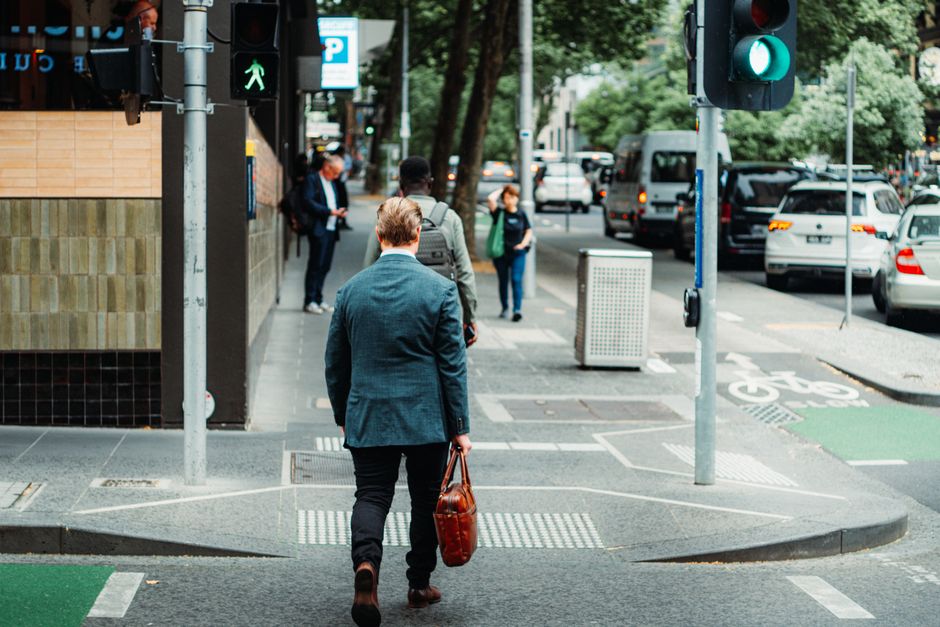
Perth's startup ecosystem is no longer confined to late-night pitch nights in Northbridge. Over the past three years, the cluster of innovation zones stretching from East Perth through Lathlain and into Belmont has quietly become one of Australia's most dynamic business incubators—and if you live, work, or shop anywhere in this city, you need to understand why.
The numbers tell a compelling story. Since 2023, more than 280 tech and advanced manufacturing startups have established operations within a 15-kilometre radius of the CBD, with average employment growth of 34 per cent annually. That's not abstract economics—it means competitive pressure on established service providers, job opportunities for locals, and the emergence of consumer-facing innovations most residents don't yet realise originated nearby.
Consider what's happening on Railway Parade in Belmont, where a cluster of agritech and logistics startups have attracted $140 million in venture funding. These aren't obscure research projects. Companies developing autonomous delivery systems, precision agriculture software, and supply-chain optimisation tools are testing solutions that will directly affect grocery prices, restaurant delivery times, and how fresh produce reaches your local shops.
The real-world impact extends into housing and retail. Landlords in the innovation precinct—stretching from East Perth's industrial spaces to emerging creative hubs near the Claremont Quarter—have begun offering flexible lease terms and lower entry rents to attract founder teams. This has created a ripple effect: younger professionals moving to Perth for startup opportunities have driven modest gentrification in inner suburbs like Claisebrook and Rivervale, pushing rental prices up 8–12 per cent since 2024, but also triggering new cafes, coworking spaces, and service businesses competing aggressively on price.
Perhaps most significantly, the talent pipeline is reshaping who lives here. Universities and vocational training providers have responded to startup demand by expanding digital, engineering, and creative programs. That means more skilled workers staying in Perth instead of migrating to Melbourne or Sydney—increasing local competition for mid-tier professional roles, but also expanding the consumer base for everything from craft coffee to shared office spaces.
What should everyday residents watch? First, keep an eye on job opportunities in emerging fields—cybersecurity, green technology, and digital marketing roles are proliferating. Second, expect pricing competition as new logistics and fintech solutions enter the market. Third, brace for continued rental pressure in accessible suburbs near innovation zones, particularly around Lathlain and East Perth.
The Perth startup boom isn't a distant economic indicator. It's reshaping where you'll live, what services you'll access, and how much you'll pay for them.
This article was compiled by AI from the sources linked above and screened before publishing. See our editorial standards.
Spread the word
About this article
Published by The Daily Perth
Stay in the loop
Daily brief
Free, in your inbox before 7am. Weekdays.
The Daily Network — local news across Australia
More local news across Australia