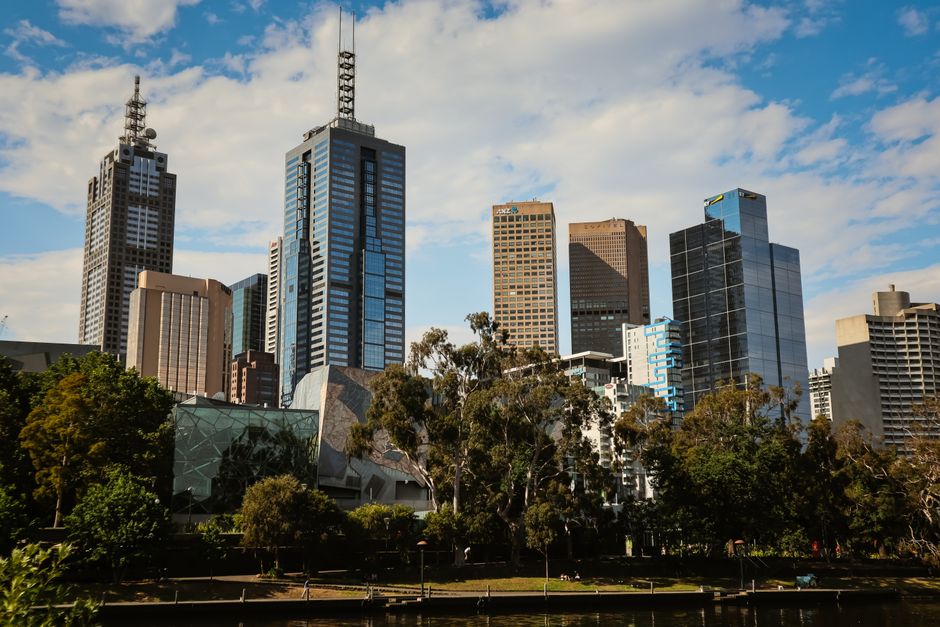
Hotel occupancy rates, convention centre bookings and major development projects reveal how visitor economy growth is reshaping Perth's economic landscape.
Perth's visitor economy is sending clear signals to investors, and the data points to a city in expansion mode. International visitor numbers to Western Australia reached 979,000 in the year to March 2026, according to Tourism Western Australia, with Perth capturing the lion's share of spending—a figure that's driving visible investment across the CBD and beyond.
Hotel occupancy rates tell part of the story. Premium properties along St Georges Terrace are reporting average occupancy above 78 percent, compared to the pre-pandemic five-year average of 71 percent. This gap matters: higher occupancy justifies development investment. The recently completed 247-room luxury hotel on Hay Street, developed by a Singapore-backed consortium, represents the kind of capital flow now targeting Perth's hospitality sector. Average room rates have climbed to A$187 per night across four and five-star properties—a 12 percent increase year-on-year.
Convention centre activity provides another crucial indicator. Perth Convention and Exhibition Centre, located south of the river in South Perth, logged 847 major events in the past financial year, generating an estimated A$156 million in direct spending. Large conferences—particularly those in resources, technology and healthcare sectors—are booking further ahead, suggesting organisers view Perth as a stable, attractive destination.
Advertisement
The money flow becomes tangible when examining commercial real estate. Office vacancy rates in the CBD have tightened to 9.2 percent, the lowest in seven years, driven partly by tourism and hospitality service companies expanding operations. Retail precincts around Forrest Place and Murray Street are seeing renewed interest from international hospitality brands, with three major international operators committing to Perth locations in the past eighteen months.
Food and beverage investment is particularly telling. The number of registered venues in Perth's inner suburbs—Northbridge, East Perth, and the West End precinct—has grown 23 percent since 2023. These aren't speculative ventures; they represent calculated bets on sustained visitor demand and local spending power. Average meal prices at mid-range restaurants have risen 8 percent, reflecting both capacity constraints and consumer confidence.
What connects these indicators? Visitor economy growth attracts capital because it's measurable, recurring revenue. When hotels hit 78 percent occupancy, banks approve expansion loans. When convention centres book eighteen months ahead, developers break ground on residential towers to house hospitality workers. When retail rents rise, it signals landlords expect sustained foot traffic.
Perth's economic fundamentals—driven by resources wealth and now increasingly by tourism—are creating a multiplier effect. The visitor economy isn't separate from Perth's broader growth story; it's become integral to it, channelling international capital into local infrastructure and employment.
This article was compiled by AI from the sources linked above and screened before publishing. See our editorial standards.