Perth's Office Market Sends Mixed Signals: Here's What the Economic Data Really Tells Us
Investment flows and vacancy rates reveal a city in transition as remote work reshapes demand for prime CBD real estate.
2 min read
Investment flows and vacancy rates reveal a city in transition as remote work reshapes demand for prime CBD real estate.
2 min read
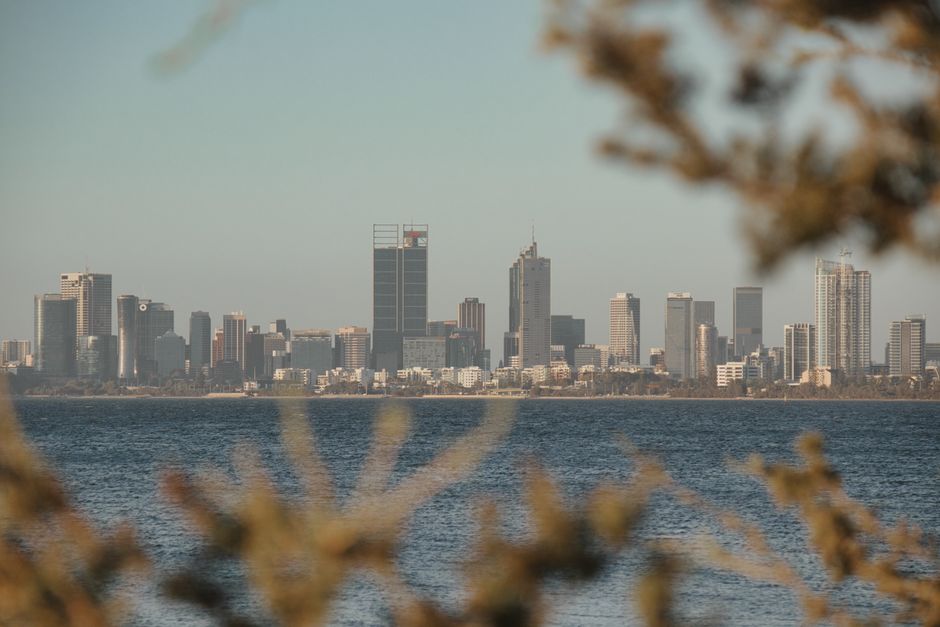
Perth's commercial property sector is undergoing a subtle but significant recalibration. While headline figures suggest caution, the underlying economic indicators tell a more nuanced story about where money is moving and why savvy investors should be paying attention.
The CBD office market remains the bellwether. Vacancy rates in Perth's central business district have hovered around 12-14% in recent months—elevated by historical standards but not catastrophic when compared to other Australian capitals. What matters more is *where* the vacancies sit. Premium A-grade space along St Georges Terrace and around the Perth Concert Hall continues to command strong rental growth, while older B-grade stock in mid-rise buildings faces structural headwinds. This tells us that quality fundamentals still drive investment decisions.
Capital flows reveal the real story. Investment volumes in Perth office transactions fell to approximately $420 million in the first half of 2026, down from $580 million in the same period last year. Before interpreting this as market malaise, consider the context: institutional investors are being highly selective. Rather than broad-based retreat, we're seeing capital concentrate in assets offering genuine scarcity value—newly refurbished buildings with modern amenities, particularly those positioned for government and professional services tenancy.
The Northbridge precinct offers an instructive example. Traditional office submarkets here face headwinds as companies downsize footprints, yet selective refurbishment projects continue attracting mid-market investors seeking yield. Similarly, fringe CBD locations like East Perth near the train station have attracted boutique operators and co-working ventures, where lower entry costs offset location disadvantages.
Interest rate expectations matter enormously. The Reserve Bank's cautious stance on rate cuts means cap rates—the critical metric determining asset prices—remain sticky at elevated levels. For investors, this translates to either higher returns on new acquisitions or continued price pressure on existing holdings. Savvy operators are positioning for this reality by targeting properties with long-term lease profiles and defensible tenant bases.
Government sector activity deserves close attention. Emerging signals about potential public sector office consolidation suggest centralised procurement processes may reshape demand clusters. Investment flows often follow policy intent before it hits mainstream commentary.
The Perth office market isn't broken; it's discriminating. Generalised weakness masks selective strength. Investors reading the economic indicators carefully—tracking tenant absorption rates, analysing lease incentives, monitoring capital flow patterns—are finding genuine opportunity in a market that rewards precision over volume.
This article was compiled by AI from the sources linked above and screened before publishing. See our editorial standards.
Spread the word
About this article
Published by The Daily Perth
Stay in the loop
Daily brief
Free, in your inbox before 7am. Weekdays.
The Daily Network — local news across Australia
More local news across Australia