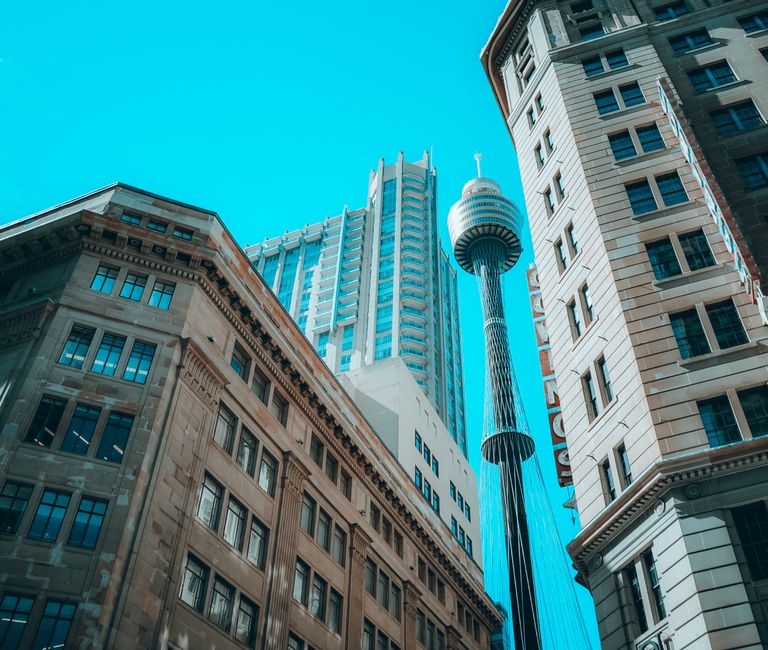
As visitor numbers surge and investment flows into hospitality, everyday Perthians should understand how the tourism dollar reshapes housing, transport, and local services.
Perth's visitor economy is experiencing unprecedented growth, with international arrivals climbing steadily and domestic travel to Western Australia rebounding strongly post-pandemic. But what does this mean for people who actually live here? Understanding the mechanics of tourism spending isn't just trivia—it affects your rent, your commute, and your access to local amenities.
Last year, tourism generated approximately $15 billion for Western Australia's economy, with Perth and the surrounding regions capturing the lion's share. That translates to increased demand for accommodation, hospitality staff, and transport infrastructure. Hotels along the Swan River foreshore and in the CBD are operating at higher occupancy rates, driving up nightly rates. A mid-range hotel room in the city centre now averages $180-220 per night during peak season, compared to $140-160 just three years ago. For locals planning staycations or hosting visiting friends, budgeting has become trickier.
The tourism surge is also reshaping labour markets. Hospitality venues across Northbridge, the city centre, and South Perth are actively recruiting, with wages in entry-level roles climbing to attract workers. This is creating both opportunity and competition—more jobs exist, but increased visitor volumes mean restaurants, cafés, and attractions are busier during traditionally quieter periods. Getting a table at a popular venue on Beaufort Street or along the riverside without booking weeks ahead has become nearly impossible during peak times.
Advertisement
Real estate developers are responding to visitor demand. Short-term rental properties are proliferating in inner-city suburbs like Subiaco and Leederville, which has reduced long-term rental stock and contributed to housing affordability pressures. Local councils are grappling with how to balance tourism revenue against residential amenity—noise complaints in hospitality-heavy precincts have risen noticeably.
Transport infrastructure is straining too. Public transport usage by visitors peaks during school holidays and summer months, crowding Transperth services during already-busy periods. Parking around major attractions like the Perth Cultural Centre and King's Park becomes scarce when tour groups converge.
Yet there are tangible benefits: local small businesses benefit from foot traffic, cultural institutions receive increased visitation and sponsorship, and skilled job creation extends beyond hospitality into tour guiding, event management, and hospitality training. The City of Perth's revitalization initiatives—including improvements to laneways and public spaces—are partly funded by tourism levy revenue.
The key takeaway? Perth's tourism economy is a double-edged sword. While it generates wealth and opportunity, residents should monitor local planning decisions, understand peak travel periods when booking services, and engage with their councils about balancing visitor appeal with neighbourhood liveability. This is your economy too.
This article was compiled by AI from the sources linked above and screened before publishing. See our editorial standards.