Why Perth's Economic Pulse Depends on Reading Global Investment Signals
As currency markets swing and foreign capital flows shift, local business leaders are learning to decode the indicators that drive opportunity—and risk.
2 min read
As currency markets swing and foreign capital flows shift, local business leaders are learning to decode the indicators that drive opportunity—and risk.
2 min read
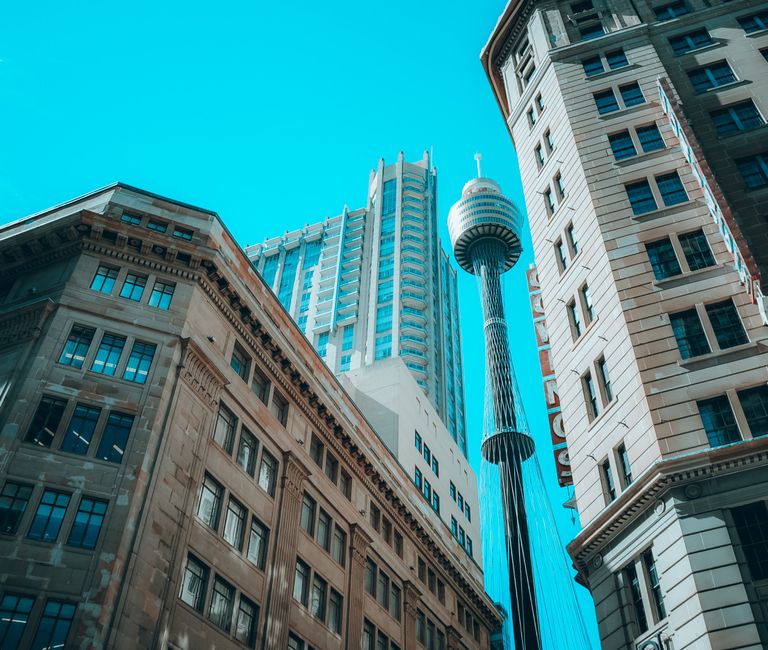
Walk down St Georges Terrace on any given morning and you'll see Perth's financial heart beating in sync with global markets. But what exactly are the signals that move investment dollars in or out of Western Australia's capital?
For business owners and investors across the CBD and South Perth, understanding economic indicators has become as essential as knowing the Perth-Singapore shipping lanes. The Australian dollar's recent volatility—trading between 0.67 and 0.72 US cents over the past eighteen months—directly affects how attractive Perth's resources sector looks to overseas capital. When the dollar weakens, foreign investors see better value in Australian assets; when it strengthens, outbound investment often accelerates.
"We're seeing real-time evidence of this in Subiaco and the northern suburbs," explains the economics unit at the Chamber of Commerce and Industry WA. Property values in premium office precincts have shifted noticeably as international fund managers adjust their exposure. Commercial rents on King Street have plateaued rather than climbing, reflecting cautious foreign investment in Australian real estate.
The broader picture matters just as much. Foreign Direct Investment (FDI) flows into Australia have been tracking at roughly $60–80 billion annually over the past three years. Perth's slice of that—primarily liquefied natural gas projects and mining infrastructure—has remained substantial, though increasingly competitive. Singapore, Malaysia, and South Korea are all vying for similar capital with attractive incentive packages.
Interest rate decisions by the Reserve Bank ripple through every corner of the local economy. When rates fall, borrowing costs drop and business confidence ticks up. The CBD's hospitality and service sectors respond accordingly. When rates rise, investors pull back, and you see fewer cranes on the skyline from Northbridge to East Perth.
Currency movements also reshape supply chains. A stronger Australian dollar makes Perth's export-oriented businesses—grain, iron ore, agricultural products—more expensive for overseas buyers. This can shift investment elsewhere or force local producers to innovate to stay competitive.
For entrepreneurs and established firms alike, the lesson is clear: global economic indicators aren't abstract Wall Street metrics. They're the weather systems that determine whether capital flows toward Perth or away from it. Understanding yield curves, currency trends, and commodity price movements isn't just for economists anymore—it's business survival knowledge for anyone operating in Australia's most resource-dependent state.
This article was compiled by AI from the sources linked above and screened before publishing. See our editorial standards.
Spread the word
About this article
Published by The Daily Perth
Stay in the loop
Daily brief
Free, in your inbox before 7am. Weekdays.
The Daily Network — local news across Australia
More local news across Australia