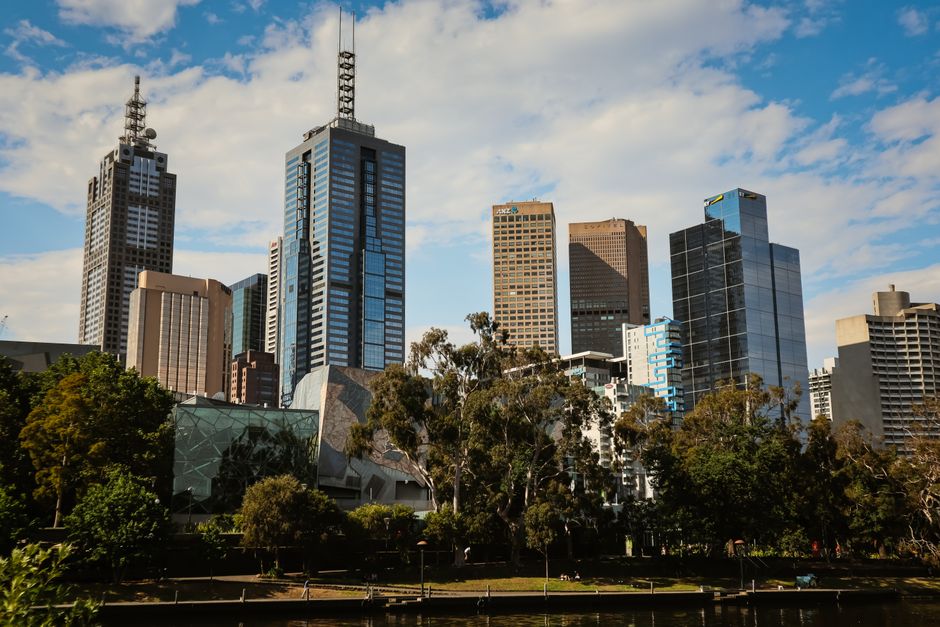
As visitor numbers surge, locals need to understand how the hospitality surge is affecting everything from your morning coffee prices to weekend parking downtown.
Perth's visitor economy is accelerating faster than most residents realise, and it's already reshaping daily life across the city. Latest figures show international arrivals to Western Australia have jumped roughly 40 per cent year-on-year, with most travellers funnelling through Perth's CBD and riverside precincts. Understanding this shift matters because it affects your wallet, your commute, and how you experience the city you call home.
Start with accommodation. Hotels along St Georges Terrace and near Elizabeth Quay are operating at capacity most weekends, driving room rates up by an average of 18 per cent since early 2025. This demand is bleeding into short-term rental markets on platforms like Airbnb, making long-term rental stock scarcer in inner suburbs like Northbridge and East Perth. Real estate agents report landlords converting apartments into tourist lets, a trend that's tightening Perth's already tight rental market for permanent residents.
Hospitality venues are struggling to keep pace. Cafés along King Street and William Street now routinely run out of specialty items by late morning, and weekend dining at popular spots in Subiaco requires bookings weeks ahead. Many restaurants are raising menu prices—on average, 8-12 per cent across fine dining establishments—to cover higher staff wages and ingredient costs driven by tourism demand. The upside: more job opportunities in hospitality, though wages haven't always kept pace with cost-of-living increases.
Advertisement
Parking and public transport are under genuine strain. The City of Perth's car parks fill by 11am on weekends, and Transperth reports visitor numbers on the Red CAT bus now rival residential commuters during peak hours. Locals heading to leisure venues like the Perth Concert Hall or Art Gallery of WA should expect slower journeys and more crowded trains on the Armadale line.
There are positives worth acknowledging. Tourism investment is funding infrastructure upgrades—the Elizabeth Quay precinct's continued development, riverside pathway improvements, and venue renovations at Crown Entertainment Complex directly benefit residents. Local small businesses in Fremantle, Scarborough, and Perth's northern suburbs are seeing spillover benefits.
The key for residents: be strategic about timing. Visit popular attractions mid-week. Book restaurant reservations early. Adjust your morning commute if you value a smoother journey. And remember—while tourism spending adds roughly $4 billion annually to WA's economy, your experience of Perth remains fundamentally yours to protect and shape.
This article was compiled by AI from the sources linked above and screened before publishing. See our editorial standards.