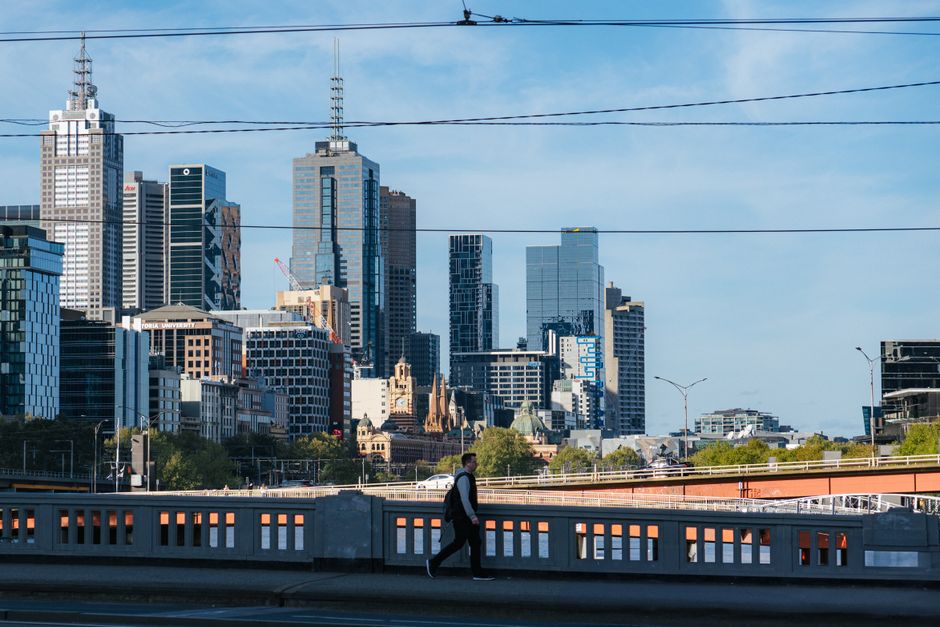
As the city's tech precinct matures, established players and nimble startups are positioning themselves to dominate a market expected to inject billions into Western Australia's economy.
Perth's startup ecosystem has shifted from aspiration to action. What was once confined to scattered co-working spaces and university labs is now crystallising into a genuine innovation district centred around East Perth and the northern reaches of the CBD, where property values are climbing and venture capital is flowing with unprecedented consistency.
The transformation is most visible along Brisbane Street and its surrounds, where former warehouses have been converted into tech hubs. OneSpace, the co-working operator that opened its flagship facility here two years ago, now reports 87 per cent occupancy—well above the national average of 72 per cent. Proximity to Curtin University's downtown campus and the burgeoning fintech corridor near the Swan River has made the precinct magnetic for founders seeking networks alongside affordable rent.
The data tells a compelling story. Western Australia attracted $412 million in venture funding last year, with Perth-based startups capturing roughly 64 per cent of that—a threefold increase from 2021. Biotech and advanced materials dominate, unsurprising given the state's mining and agriculture heritage, but software and digital services are accelerating, now representing nearly a quarter of all deals.
Advertisement
Who is winning? Established consultancies like Deloitte and KPMG have opened dedicated innovation advisory units within walking distance of the Perth Convention Centre, betting that the ecosystem will generate sustained advisory demand. Meanwhile, boutique venture firms such as Perth Angels and the newly formed Westside Ventures fund are investing in earliest-stage companies, creating a pipeline that larger institutional players will eventually harvest.
But the real beneficiaries are the early-stage founders themselves. A software engineer founding a B2B SaaS company in East Perth pays roughly $22 per square metre annually—half the Sydney equivalent. Skilled talent, once scarce, is returning; LinkedIn data shows a 34 per cent year-on-year increase in tech professionals listing Perth as their location. Universities, particularly UWA and Curtin, are pumping graduates into the market at record rates.
Yet challenges persist. Access to late-stage capital remains constrained; founders routinely relocate to Melbourne or Sydney to secure Series A funding. The deep technical expertise required for hardware innovation is thinner than in larger ecosystems. And the district's success depends on sustained commitment from government and property holders to maintain affordable workspace.
Still, for those paying attention, Perth's moment is now. The infrastructure is there. The talent is arriving. And for investors, operators, and founders already embedded in the precinct, the opportunity to shape a major Australian innovation hub—before the cost structure catches up with success—may not remain available for long.
This article was compiled by AI from the sources linked above and screened before publishing. See our editorial standards.