Perth's Job Market Shift: What Your Wages, Rent and Grocery Bills Really Mean
As employers across the city struggle to fill roles, here's how employment trends are reshaping your cost of living.
2 min read
As employers across the city struggle to fill roles, here's how employment trends are reshaping your cost of living.
2 min read
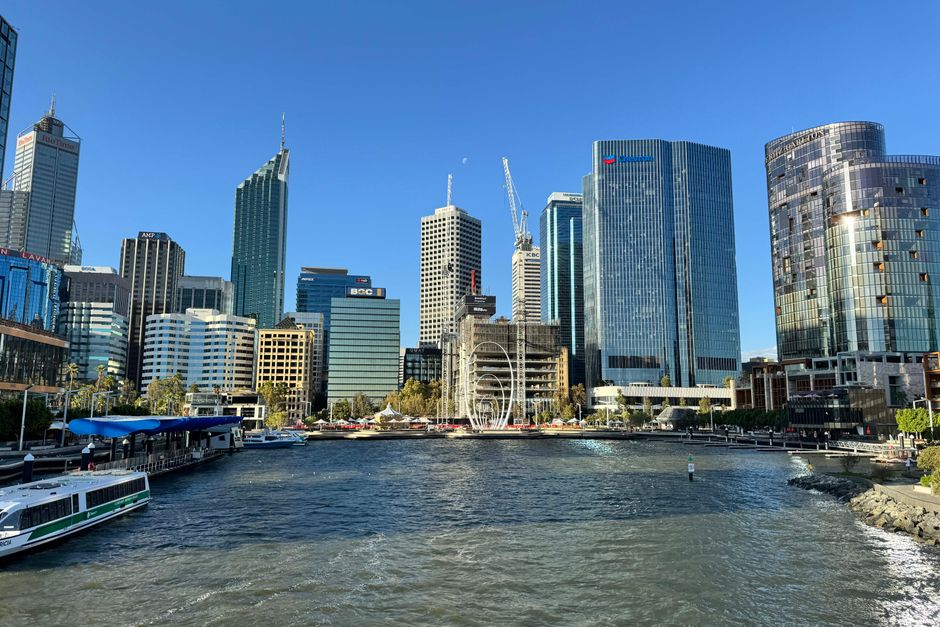
Walking down Hay Street or browsing job boards in South Perth, you've probably noticed the same thing: businesses everywhere are hiring. But before you celebrate, understand what this apparent boom actually means for your hip pocket.
Perth's employment landscape is undergoing a peculiar squeeze. While vacancy rates remain elevated—particularly in hospitality, healthcare and construction—wage growth hasn't kept pace with living costs. The median rent in inner-city suburbs like Northbridge and East Perth has climbed above $2,000 monthly for a two-bedroom apartment, yet many employers are still offering packages barely above 2023 levels.
The real story isn't that jobs are plentiful. It's that businesses are struggling to find qualified candidates willing to accept the pay on offer. This creates a false sense of security for job seekers, but masks a deeper problem: underemployment. Many residents are cobbling together multiple part-time roles instead of securing full-time positions with benefits.
The hospitality sector around the Perth Convention Centre and Crown Casino districts exemplifies this tension. Venues desperately need staff, yet turnover remains brutal because wages haven't climbed fast enough to justify the demanding hours. Similarly, healthcare facilities across the metro area report unfilled nursing and aged-care positions despite ongoing recruitment campaigns.
For consumers, this matters enormously. When employers can't fill roles, service quality often suffers—longer wait times at medical clinics, reduced trading hours at Subiaco restaurants, delayed construction projects that further strain housing supply. Simultaneously, businesses facing labour shortages sometimes pass costs to customers through price increases, explaining why your grocery bill at Coles in Morley or Woolworths in Perth CBD keeps climbing faster than wage packets.
The construction sector tells a similar story. With property development booming—particularly in Watertown and the expanding precincts around Elizabeth Quay—developers can't find enough skilled tradespeople. They're importing skilled migration or paying premium rates, which inflates building costs and eventually housing prices.
What does this mean for your decisions? If you're job hunting, understand that employer desperation doesn't equal generous offers—it means you have more leverage to negotiate, especially if you have specific skills. If you're employed, the tight labour market may support your push for genuine wage rises beyond inflation. If you're a consumer or renter, brace for continued price pressures as businesses struggle with staffing costs.
Perth's economy isn't broken, but it's increasingly misaligned. Jobs exist, but the compensation rarely justifies the work or matches cost-of-living reality. That's the uncomfortable truth behind the headlines.
This article was compiled by AI from the sources linked above and screened before publishing. See our editorial standards.
Spread the word
About this article
Published by The Daily Perth
Stay in the loop
Daily brief
Free, in your inbox before 7am. Weekdays.
The Daily Network — local news across Australia
More local news across Australia