news
Perth's Property Market Has a Fake Photo Problem: What Officials, Experts and Key Figures Are Saying
Real estate listings across Perth's metropolitan area are under scrutiny as AI-generated and duplicate images flood property platforms, prompting calls for clearer standards from industry bodies and consumer advocates.
How we reported this
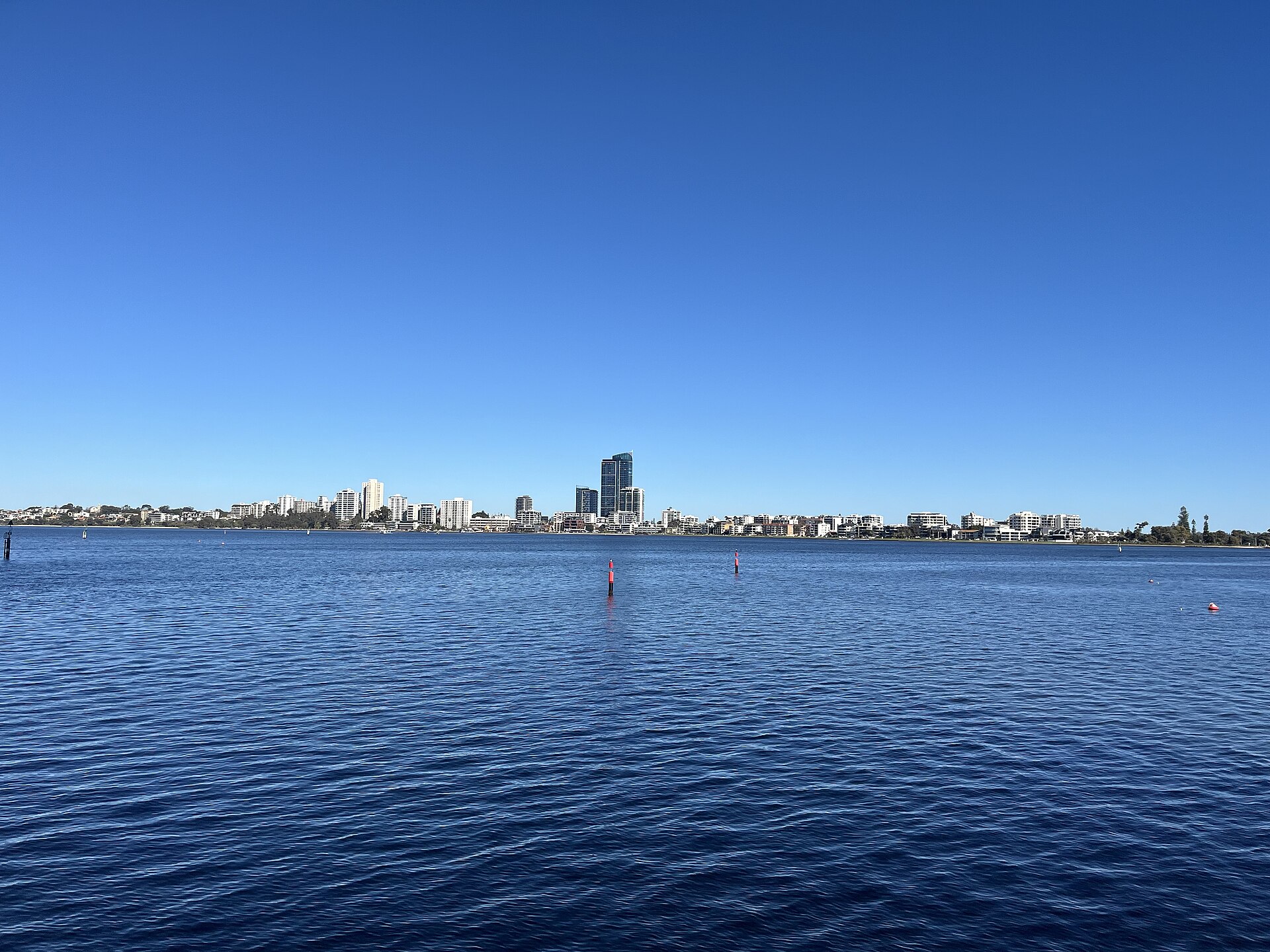
Western Australia's property sector is grappling with a growing practice: listings on major real estate platforms that use duplicate, recycled, or digitally altered photographs to represent homes that either look nothing like the images shown or have had those images lifted wholesale from unrelated properties. The issue has surfaced repeatedly in recent months across Perth's tightest rental and sales markets, from Fremantle's terraced streets to the new-build corridors feeding off the Metronet Morley-Ellenbrook Line.
The timing is not coincidental. Perth's housing market has absorbed extraordinary pressure over the past two years as immigration-driven demand pushed vacancy rates to record lows and median house prices climbed. When supply is tight and prospective tenants or buyers are making decisions quickly, sometimes sight-unseen from interstate or overseas, the accuracy of listing photography carries real financial consequence. Consumer advocates say the stakes have never been higher.
What the Regulators and Industry Bodies Are Flagging
Consumer Protection WA, the state agency that administers the Real Estate and Business Agents Act 1978, has jurisdiction over misleading conduct in property transactions. The agency has pointed publicly to general obligations requiring that material information presented to consumers be accurate and not deceptive, a standard that property photograph misrepresentation can arguably breach. The Real Estate Institute of Western Australia, based on Hay Street in the Perth CBD, maintains a code of conduct for member agents that speaks to honest representation, but critics argue the code's language on digital imagery has not kept pace with AI-editing tools that can repaint an entire room's surfaces or remove structural defects from a photograph in seconds.
Technology vendors selling image-enhancement suites to real estate agencies have expanded aggressively across Australia's east coast and are now firmly embedded in Perth's agency workflows. Some tools go well beyond decluttering or brightening a shot. They can virtually stage an empty room, replace a grey Perth winter sky with a summer blue, or resurface a cracked driveway. The line between helpful presentation and material misrepresentation is where industry opinion fractures sharply.
REIWA, whose membership covers the bulk of active sales and property management agencies across the Perth metropolitan area, has acknowledged the question of digital image standards is live. The organisation has not yet published binding guidance specific to AI-altered photography as of July 2026, though the issue has been raised at industry forums including events hosted at the Optus Stadium precinct during the first half of this year.
Duplicate Images and the Rental Trap
The duplicate image problem is distinct from enhancement. Duplicate listings involve photographs, sometimes entire sets, copied from one property and applied to a different one. Tenants' advocacy organisations including Shelter WA, headquartered in West Perth, have documented complaints from renters who viewed a property in Cannington or Midland only to find the photographs had depicted a different home entirely. In a market where a standard three-bedroom rental in Perth's middle ring suburbs was sitting at roughly $650 per week through mid-2026, signing a lease based on fraudulent imagery creates immediate and costly harm.
Digital forensic tools capable of detecting image duplication across listing databases exist and are in limited use by some platforms. PropTrack, the data arm of REA Group which operates realestate.com.au, has not publicly detailed the extent of automated duplicate-detection it applies to Perth listings. Domain, its main competitor, similarly has not published market-specific figures on image fraud catch rates for Western Australia.
Consumer Protection WA encourages anyone who suspects a listing photograph has been falsified or duplicated to lodge a formal complaint through its online portal. The agency can investigate and refer matters for prosecution under the Australian Consumer Law if deceptive conduct is established. For renters and buyers navigating Perth's compressed market, independent inspections remain the single most reliable check, regardless of how polished the listing photography looks on screen. Advocates suggest requesting a video walkthrough conducted live via phone call when an in-person visit before commitment is not possible, a practice that has become standard in cities like Melbourne and Sydney and is gaining ground in Perth.