news
Perth Makes Critical Sustainability Choices Shaping Next Decade's Future
As Western Australia's capital faces mounting pressure to balance rapid growth with environmental responsibility, major sustainability initiatives hang in the balance-and the choices made in the coming months could reshape the city.
How we reported this
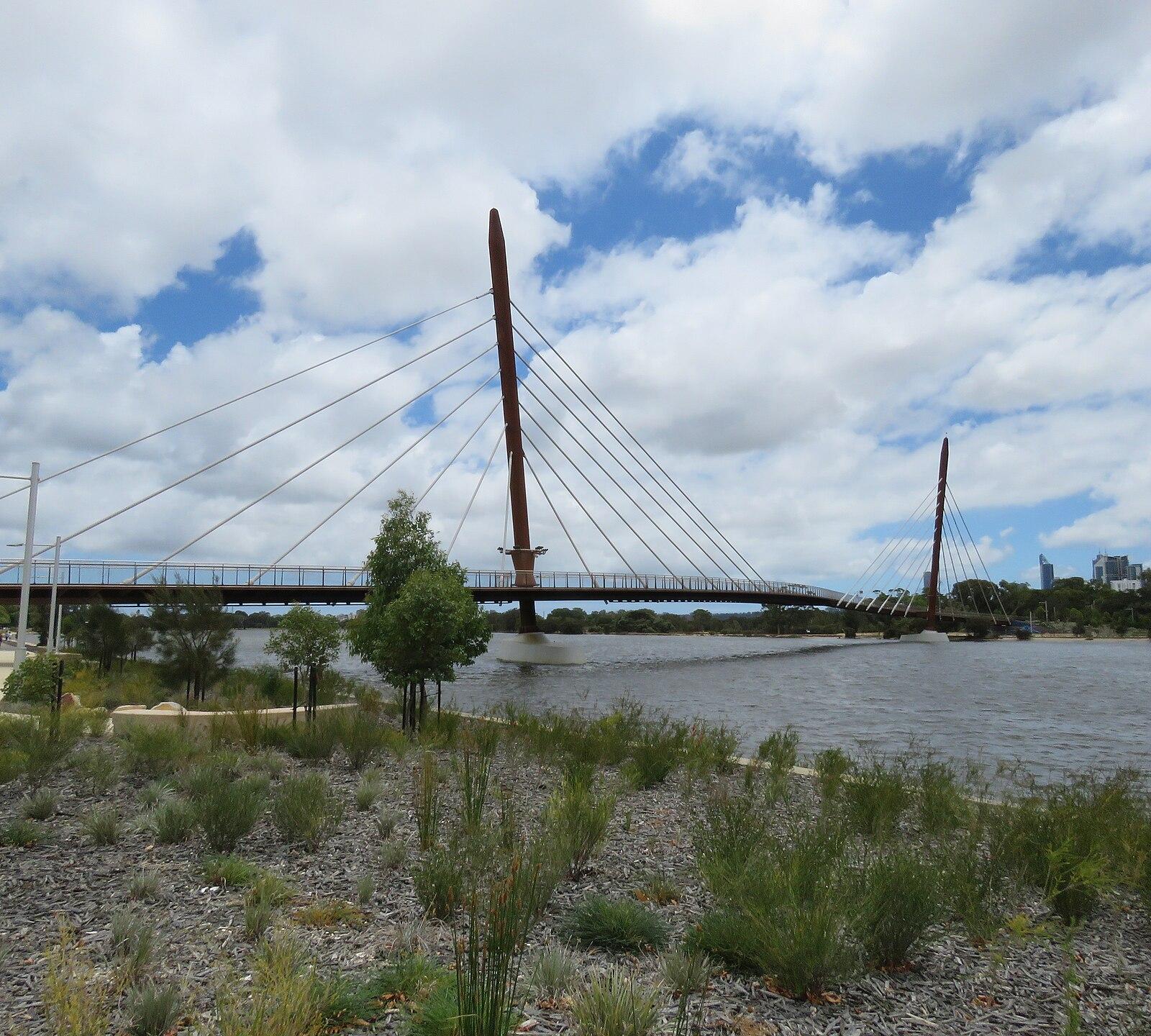
Perth stands at an environmental inflection point. With the city's population projected to exceed 2.6 million by 2050, driven partly by defence sector expansion around Stirling Naval Base and ongoing resource industry investment, planners and environmental advocates are grappling with urgent questions about water security, urban sprawl, and carbon reduction targets that will define the next decade.
The most immediate challenge centres on water management. Perth's reliance on declining rainfall-down 20 per cent since the 1970s-has forced the state to invest heavily in desalination and recycled water schemes. Yet critical infrastructure decisions remain unresolved. The expansion of the Integrated Water Supply Scheme and the rollout of dual-pipe systems across suburbs from Fremantle to the northern growth corridors requires massive capital investment. The state budget surplus offers opportunity, but competing priorities-Metronet rail expansion, healthcare, and housing affordability-are vying for resources.
Urban densification presents another pivotal choice. Infill development in established suburbs like Nedlands, Subiaco, and East Perth could reduce pressure on bushland reserves and agricultural land. However, community resistance to medium-density housing and concerns about tree canopy loss remain significant obstacles. The City of Perth and the State Government must decide whether to aggressively rezone for apartment blocks and townhouses, or maintain lower-density patterns-a decision with profound implications for transport emissions and biodiversity protection.
The state's climate commitments are also under scrutiny. Western Australia has pledged net-zero emissions by 2050, but interim targets for 2030 and 2035 lack the legislative backing seen in other jurisdictions. With resources industries-crucial to WA's economy-under pressure to decarbonise, decisions about hydrogen production hubs, renewable energy deployment, and carbon pricing will reshape investment patterns.
Perhaps most significantly, the fate of Perth's bushland reserves hangs unresolved. Development pressure on areas like Kings Park's periphery and the protection of remnant vegetation in the Swan Valley will test whether environmental conservation can survive economic pressures.
Over the next six months, the state government is expected to release updated sustainability targets and infrastructure plans. Environmental groups, industry bodies, and residents' associations are preparing submissions. The decisions made-on water investment, zoning reform, and emissions reduction pathways-will reverberate through the city for decades. Perth's environmental future is not predetermined. It will be shaped by choices made now.