news
Perth Transforms Into Sustainability Leader After Decade of Environmental Crisis
From water scarcity crises to carbon commitments, Western Australia's capital has undergone a quiet transformation shaped by environmental pressures and economic necessity.
How we reported this
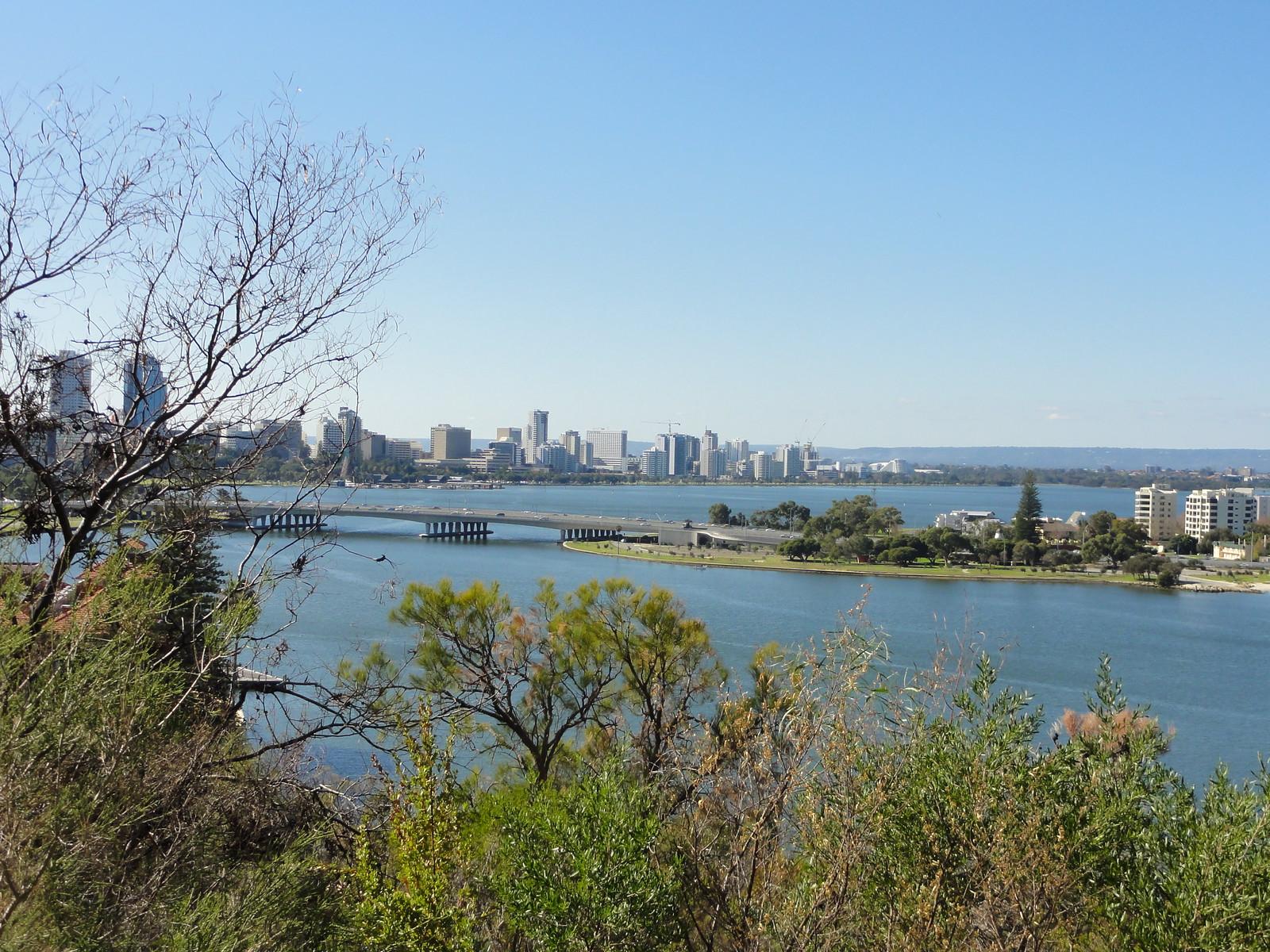
Perth's journey toward becoming a genuine sustainability hub wasn't born from idealism alone. It emerged from hard lessons, environmental stress, and the cold economic reality that a resources-dependent state cannot ignore the planet's warnings.
The turning point came during the devastating droughts of the early 2010s. The Murray-Darling Basin's collapse reverberated across the nation, but Perth felt it acutely. Restrictions that once seemed temporary became structural. The Swan and Canning Rivers, which define the city's character from Kings Park to the Fremantle foreshore, showed alarming signs of stress. Desalination became not a luxury but a necessity-two plants now supply roughly half the city's water, a reality that forced uncomfortable conversations about growth limits.
That environmental pressure coincided with another shift: the resources sector's volatility. Iron ore-the foundation of WA's $240 billion economy-proved unpredictable. The 2015-2016 price crash devastated communities from Pilbara mining towns to Perth's CBD. State leaders recognised the vulnerability of depending on a single commodity. Diversification stopped being rhetoric and became policy.
By the late 2010s, several catalysts aligned. Climate reports grew more alarming. The federal government's AUKUS commitments to Stirling Naval Base and defence manufacturing opened doors for advanced industries requiring stable energy supplies. Renewable energy costs plummeted, making solar and wind economically rational, not just environmentally righteous. Migration surges-particularly skilled workers from India and China-brought workforces accustomed to dense, efficient urban living, reshaping expectations around transport and housing.
The Metronet rail expansion, finally completed in 2023, represented this convergence perfectly. It answered housing demand in suburbs like Thornlie-Cockburn and Yanchep, but it did so while reducing car dependency-a sustainability win that also addressed congestion and property affordability. The project's economic logic aligned with environmental benefit.
Today's sustainability initiatives-rooftop solar mandates on new builds, recycled water systems expanding across Canning Vale and Perth's southern suburbs, native vegetation corridors connecting Kings Park to the Darling Range-aren't the product of environmental purity. They're the pragmatic evolution of a state learning to balance growth with limits, economic ambition with planetary boundaries.
Perth's green transformation isn't unique, but its origin story is instructive: genuine sustainability rarely emerges from conscience alone. It arrives when self-interest, necessity, and long-term survival calculations finally align.