news
Perth's $15 billion transport overhaul transforms commute times, property values
As Metronet delivers new rail lines and road networks expand across the metropolitan area, fresh data shows how West Australia's infrastructure investment is reshaping commute times and property values.
How we reported this
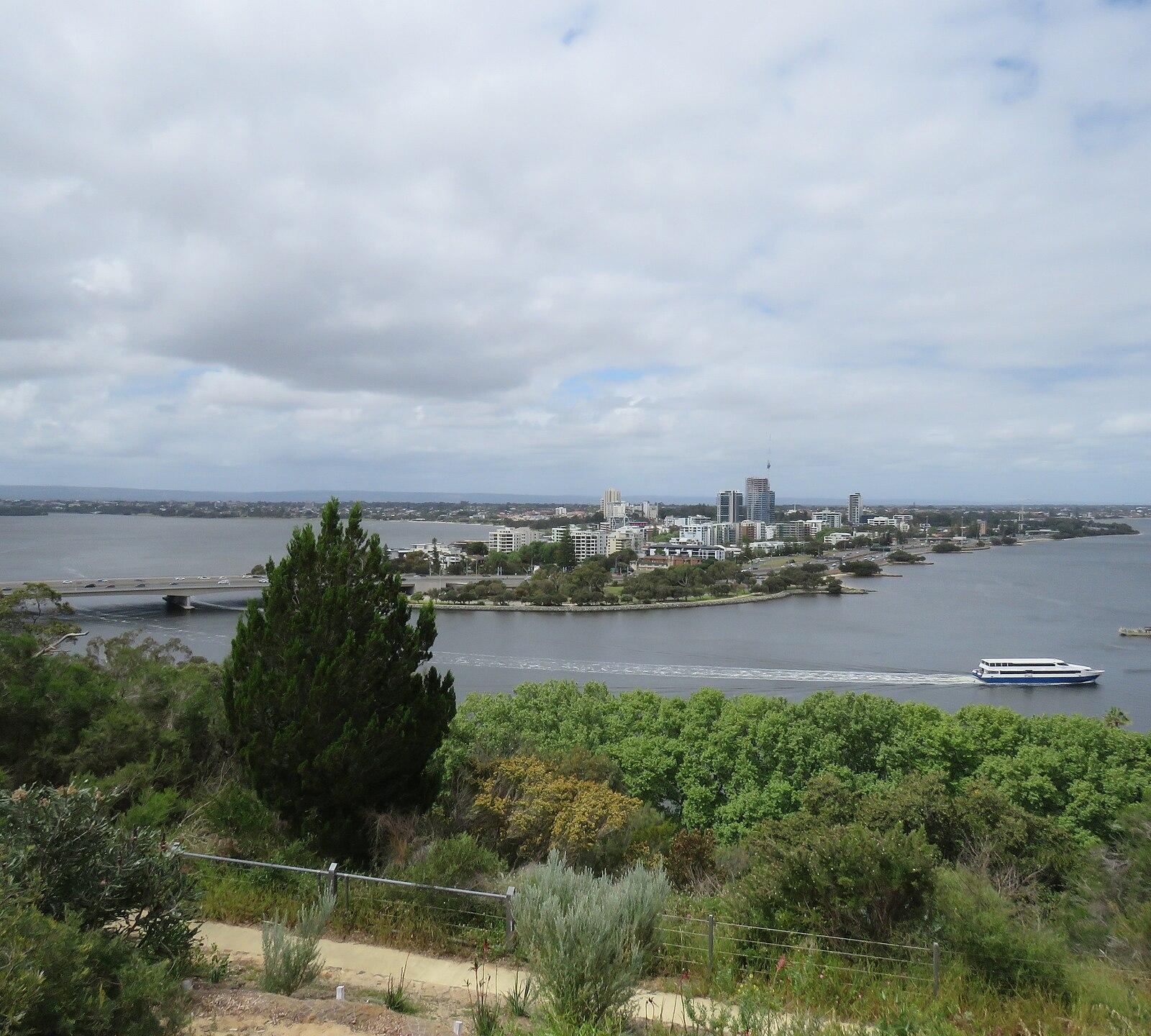
Perth's transport landscape is undergoing its most ambitious transformation in decades, but behind the construction cranes and opening ceremonies lies a complex web of statistics that tells the real story of how the city is reshaping itself.
The Metronet rail expansion represents the centrepiece of this infrastructure push. The three new lines-extending to Yanchep, Thornlie, and Alkimos-will add 72 kilometres of track to the network. Department of Transport figures show the project will serve approximately 265,000 people within 800 metres of new or extended stations, a 28 per cent increase in rail catchment across the metropolitan area. By 2030, projections suggest these corridors alone could reduce daily private vehicle trips by 42,000.
The financial commitment underscores the scale. State government data reveals the Metronet program carries a total cost of $2.3 billion across all three lines, with the Thornlie line accounting for $1.2 billion of that figure. For context, this represents more than double the inflation-adjusted cost of the original Mandurah line, completed in 2007.
Housing demand data amplifies the infrastructure story. Australian Bureau of Statistics figures show median house prices in emerging Metronet corridor suburbs like Alkimos have risen 34 per cent in three years, compared to the Perth metropolitan average of 19 per cent. In Thornlie, median unit prices have jumped from $385,000 in 2023 to $512,000 today-a 33 per cent increase directly attributable to rail proximity.
Beyond rail, the broader transport picture reveals significant road investment. The Mitchell Freeway extension towards Ellenbrook and the Leach Highway upgrade collectively represent $880 million in funding. Traffic data from the Department of Transport indicates congestion on Leach Highway during peak hours has cost the regional economy approximately $1.8 billion annually in lost productivity.
The Stirling Naval Base precinct, central to Western Australia's AUKUS commitments, has triggered secondary infrastructure demands. Transport modelling suggests defence contractor movements alone-currently generating 12,000 daily vehicle movements-will require dedicated freight corridor upgrades costing an estimated $340 million.
State Budget papers confirm Western Australia maintains a $6.2 billion surplus, enabling this infrastructure spending without borrowing constraints that plague other jurisdictions. Yet the data also reveals timing pressures: Perth's population is projected to reach 2.7 million by 2050, requiring transport infrastructure decisions made today to accommodate growth occurring a quarter-century hence.
For commuters, planners, and property investors alike, the numbers paint a picture of strategic positioning-but also of an administration racing to build infrastructure fast enough to match a rapidly expanding city's appetite for mobility.