news
Perth House Prices Soar $750K as Defence Spending Drives Migration Crisis
As median house prices soar past $750,000 and AUKUS defence spending accelerates migration to WA, planners face make-or-break choices on density, infrastructure and affordability.
How we reported this
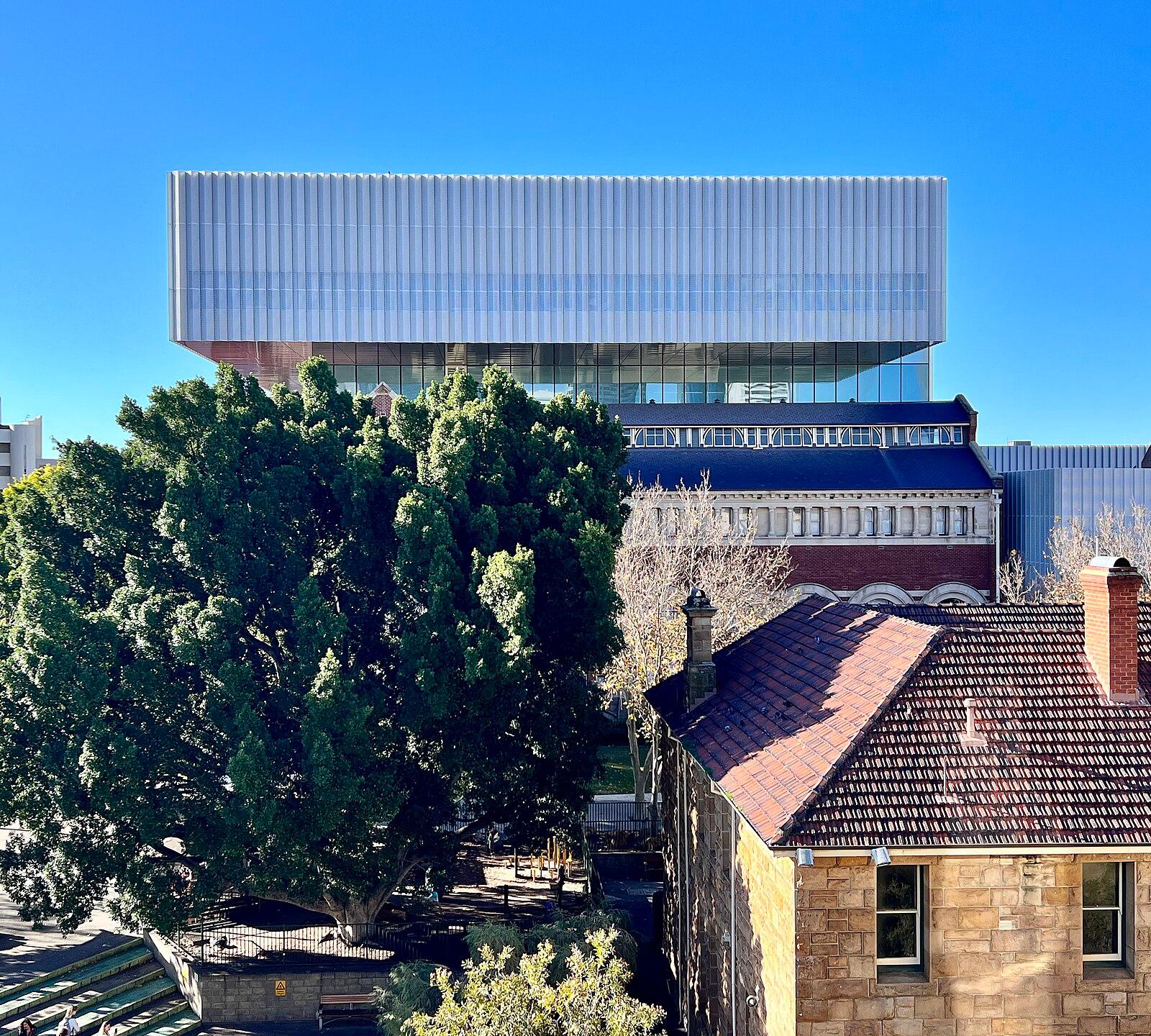
Perth stands at a crossroads. The defence sector boom fuelling AUKUS contracts around Stirling Naval Base is turbocharging migration to Western Australia, pushing median residential prices beyond $750,000 and rental vacancy rates below 1%. Yet the city's urban planning framework-built for a slower-growth era-is struggling to keep pace.
The next 18 months will be decisive. The WA Labor government must navigate three interlocking questions that will determine whether Perth becomes an affordable, liveable city or descends into housing-cost chaos.
First: medium-density zoning. Suburbs along the Metronet expansion corridors-particularly around Thornlie, Yanchep and the yet-to-open extensions-represent the clearest opportunity. Planners at the Western Australian Planning Commission are quietly weighing whether to allow broader mixed-use development within 800 metres of future stations. This could unlock thousands of apartments on land currently zoned single-family residential across the northern corridor. But it requires political courage; local councils and existing residents typically resist such changes fiercely.
Second: the Subiaco and East Perth precedent. These inner-city regenerations, though partial successes, took 15+ years to deliver meaningful housing supply. The Department of Planning must decide whether to accelerate similar models in underutilised pockets-think the industrial areas around Kewdale or the sprawling car parks of East Perth near the Swan River precinct. Speed matters when demand is mounting monthly.
Third: the affordability lever. State Housing Trust purchasing power has limits. If median prices continue climbing 8-10% annually, government-backed schemes risk becoming irrelevant. Treasury faces a choice: subsidise first-home buyers more aggressively, or restructure development incentives to force private builders toward cheaper stock. Both carry fiscal and political weight.
The Metronet completion in 2028 creates urgency. If zoning and development approvals aren't streamlined now, new rail corridors will connect to suburbs unprepared for density, wasting infrastructure investment. Meanwhile, defence personnel relocating for Stirling and HMAS Kuttabul placements are already competing for limited stock, driving rents up in Joondalup, Perth CBD and inner suburbs.
The Department of Communities and Department of Planning must coordinate across silos-a chronic failure in Perth's governance. Without aligned housing, transport and employment strategy, Metronet risks becoming scenic but undersupplied.
By August, the government should signal whether it backs genuine densification or clings to sprawl. That decision will echo for decades. The current path leads nowhere good.