lifestyle
Perth's Isolation Reshapes Daily Life Unlike Any Other Major City
The city's vast isolation and direct access to wild coastlines shape daily routines and weekend escapes in ways that set it apart from denser global hubs.
Listen in English · 3 min
How we reported this
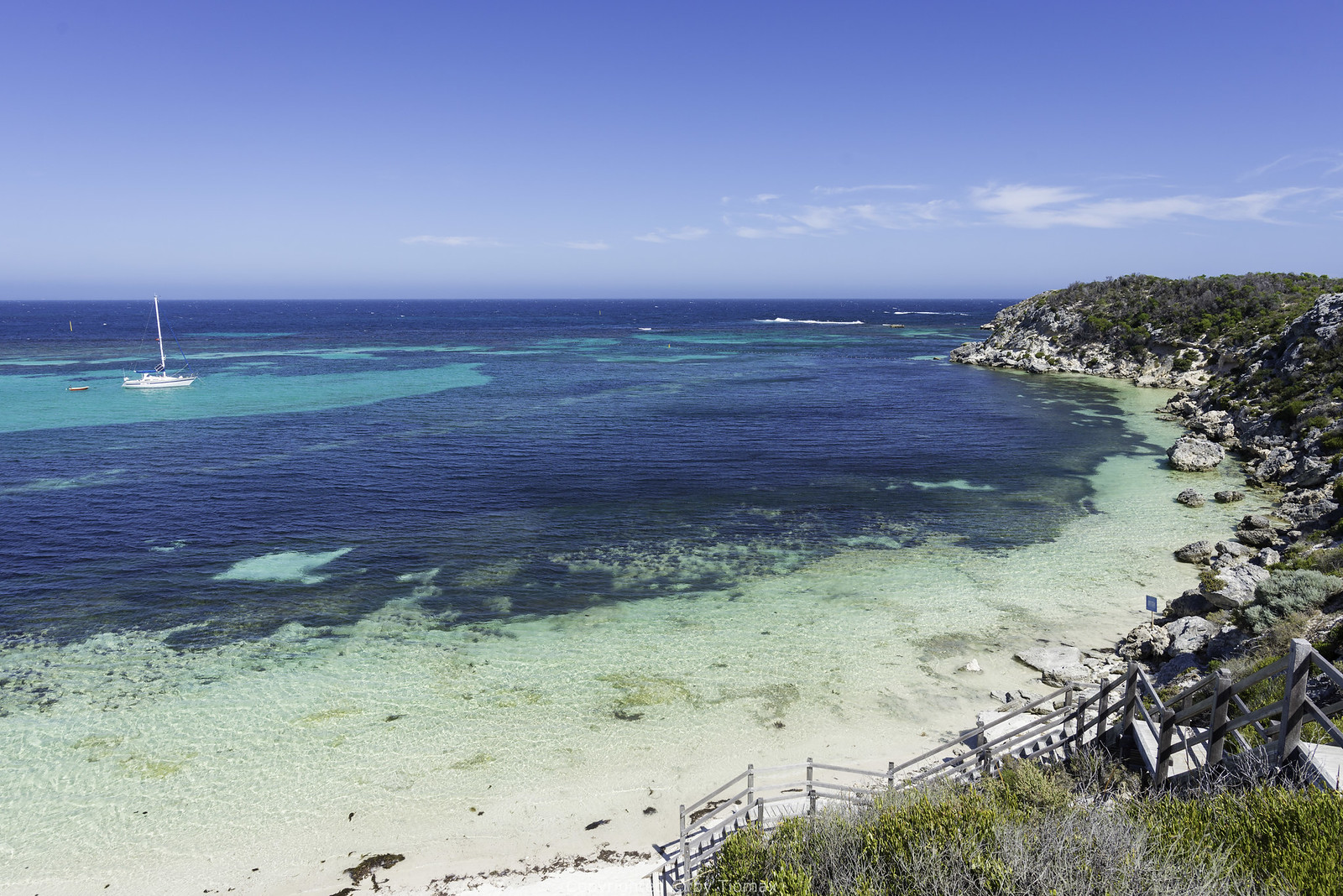
Perth sits farther from any other large city than almost anywhere else on earth, with the nearest comparable capital more than 2,000 kilometres away across desert and scrub.
This separation matters now because international travel patterns have shifted, with more residents choosing short domestic breaks over long-haul flights.
Beaches and riverfront define the daily rhythm
Residents in Cottesloe and Scarborough start mornings with ocean swims before heading into the CBD, while families from Subiaco often spend Saturday afternoons at the Swan River foreshore near Elizabeth Quay. The Perth Cultural Centre in Northbridge hosts regular markets that draw crowds from across the metro area.
These patterns differ sharply from cities like Sydney or Melbourne, where harbour or bay access requires more planning and where inner suburbs sit farther from open ocean beaches.
Numbers show the scale of the advantage
Perth records an average of 3,200 hours of sunshine each year, a figure tracked by the Bureau of Meteorology that exceeds most comparable cities. Average house prices in beachside suburbs such as Cottesloe reached $1.85 million in the June quarter, yet weekly rents for one-bedroom apartments near the city centre remain around $520, supporting a mix of long-term residents and short-term visitors who value outdoor access over dense nightlife districts.
Visitors and locals can start with a ferry ride from Elizabeth Quay to Rottnest Island on a weekday morning to avoid peak crowds, then return via the Swan Valley for a late lunch at one of the cellar doors along Great Northern Highway. Checking the City of Perth events calendar before the weekend helps match plans to seasonal markets or free riverfront concerts.