lifestyle
Perth's Extreme Isolation Creates Unmatched Access to Pristine Coastlines
Perth's extreme isolation creates a lifestyle built around direct access to untouched coastlines and bushland that few other capitals can match.
How we reported this
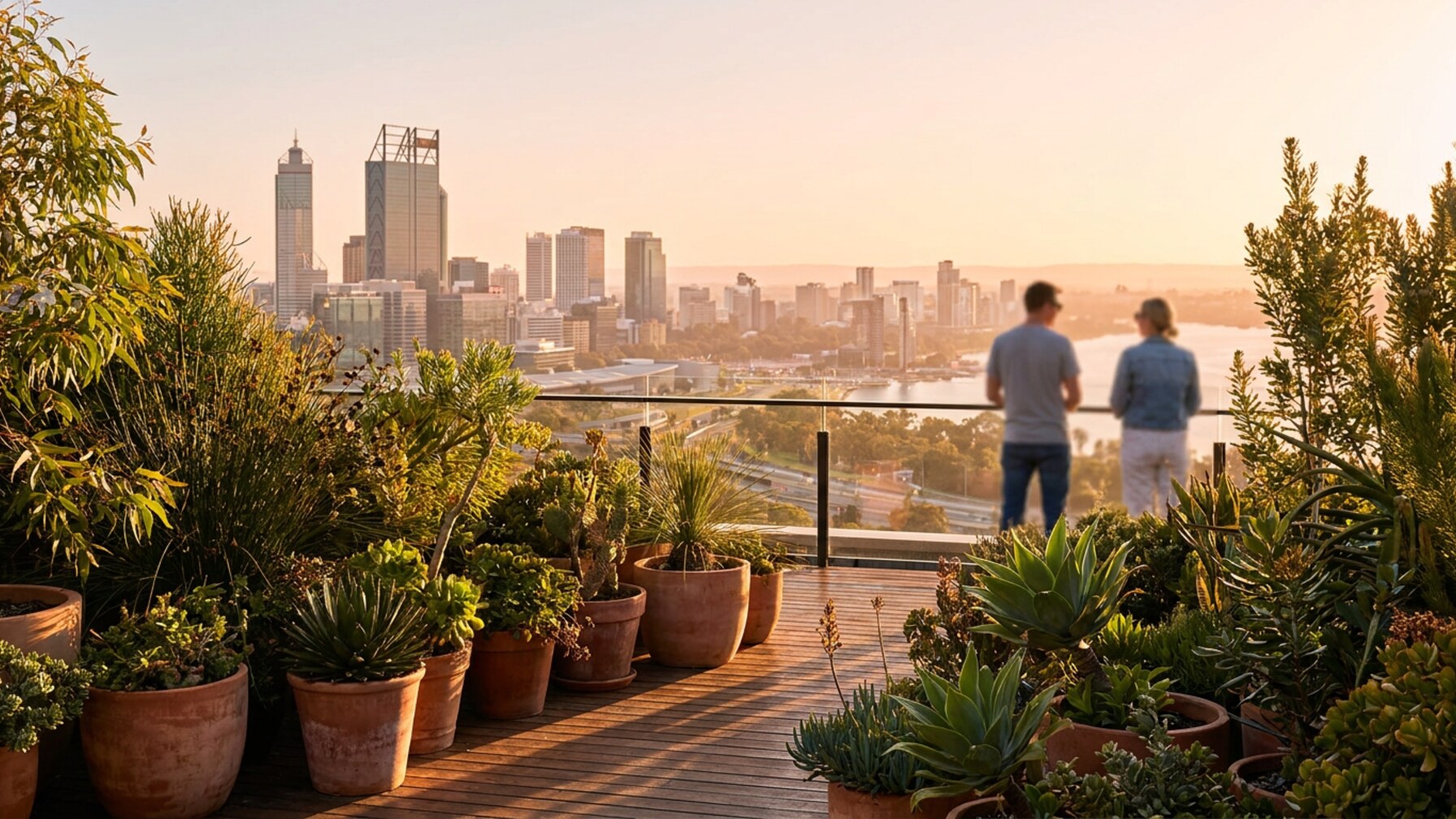
Perth sits 2,100 kilometres from the nearest Australian capital, a distance that shapes daily routines for its 2.1 million residents in ways London or Tokyo residents never encounter.
This separation from other major centres now draws renewed attention in mid-2026 as international flight routes expand again and local operators promote shorter domestic escapes. The city’s position on the western edge of the continent means residents reach remote beaches and national parks within minutes rather than hours of driving, an advantage that grows sharper when compared with denser eastern seaboard cities.
Kings Park covers 400 hectares right in the central business district and contains more than 3,000 species of native plants. Cottesloe Beach lies 12 kilometres west of the city centre and draws locals for early-morning swims even in July when water temperatures sit around 18 degrees. The Swan Valley wine region begins 25 minutes north-east of the CBD and supplies many restaurants along Beaufort Street with fresh produce on the same day it is picked.
Official tourism data released in June 2026 recorded 8.4 million domestic visitor nights in Perth over the previous 12 months, with 62 per cent of those visitors citing proximity to nature as their main reason for choosing the city. Average house prices in suburbs bordering Kings Park reached $1.35 million in the March quarter, reflecting demand for quick access to the park’s walking trails.
Practical steps to experience the difference
Start with a 20-minute ferry ride from Barrack Street Jetty to Rottnest Island, where hire bikes cost $25 for a full day and allow riders to reach beaches that remain empty even on weekends. Follow that with a late-afternoon visit to the Fremantle Fishing Boat Harbour for fresh fish and chips at Cicerello’s, then return via the heritage-listed Fremantle Railway Station before peak-hour traffic builds on Stirling Highway.
These short, self-contained trips illustrate how Perth’s geography turns isolation into an everyday asset rather than a drawback.