lifestyle
Perth's Extreme Isolation Creates Unique Urban-Nature Blend Worldwide
Its extreme isolation and seamless blend of urban life with untouched nature set the Western Australian capital apart from denser global hubs.
How we reported this
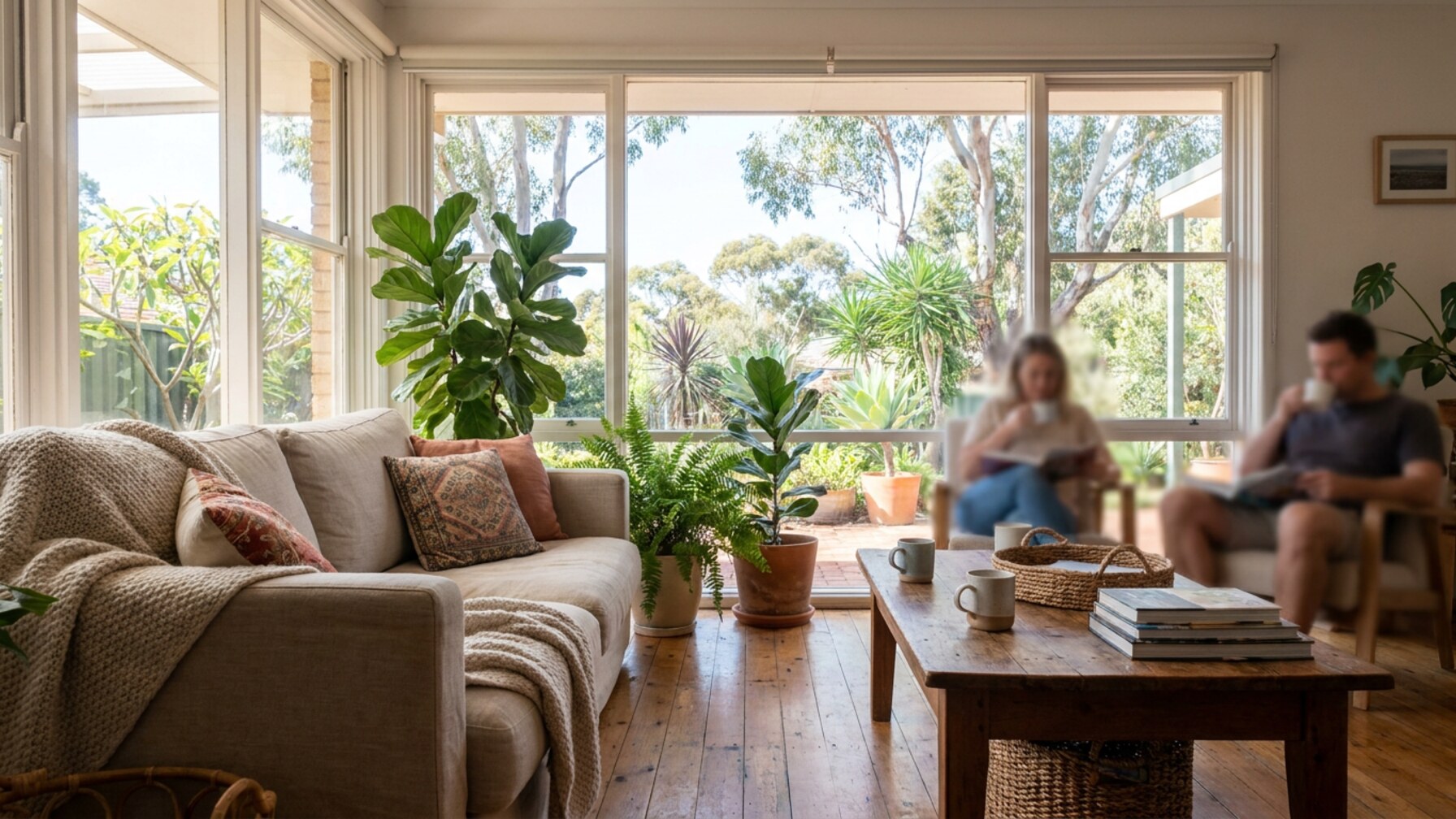
Perth sits more than 2,000 kilometres from the next major Australian city, a distance that shapes daily routines and leisure options in ways few other places experience.
This separation from east-coast networks matters now because travellers and residents alike compare cities on liveability metrics after years of border disruptions, and Perth's layout rewards those who value open space over constant connectivity.
Beaches and Parks Within City Limits
Residents reach Cottesloe Beach by a short drive from the CBD and then walk straight into Kings Park without crossing major highways. The Swan River foreshore in South Perth offers ferry stops that connect directly to Northbridge dining strips, letting people move between surf, bushland and cafes in under an hour. These links differ from cities such as New York or Tokyo where nature reserves sit hours outside built-up zones.
Local programs run by the City of Perth maintain free outdoor yoga sessions at Langley Park each Sunday morning and guided walks along the river path near Barrack Street Jetty, both drawing steady crowds year-round.
Scale and Sunshine Data
Perth records an average 3,200 hours of sunshine each year, according to Bureau of Meteorology figures released in 2025, while its metropolitan area covers 6,400 square kilometres for roughly 2.3 million people. That low density keeps housing blocks larger than those in comparable European capitals and supports backyard pools in suburbs such as Nedlands and Floreat.
Visitors planning a first trip should start with an early ferry from Elizabeth Quay to Rottnest Island for a day trip, then return via the Fremantle line to sample weekend markets along South Terrace before heading back to the city centre.