culture
Perth's Arts Scene Transforms From 1970s Venues Into Creative Districts
Perth's arts and performance spaces have grown from scattered 1970s venues into coordinated districts that now shape daily creative life across multiple neighbourhoods.
How we reported this
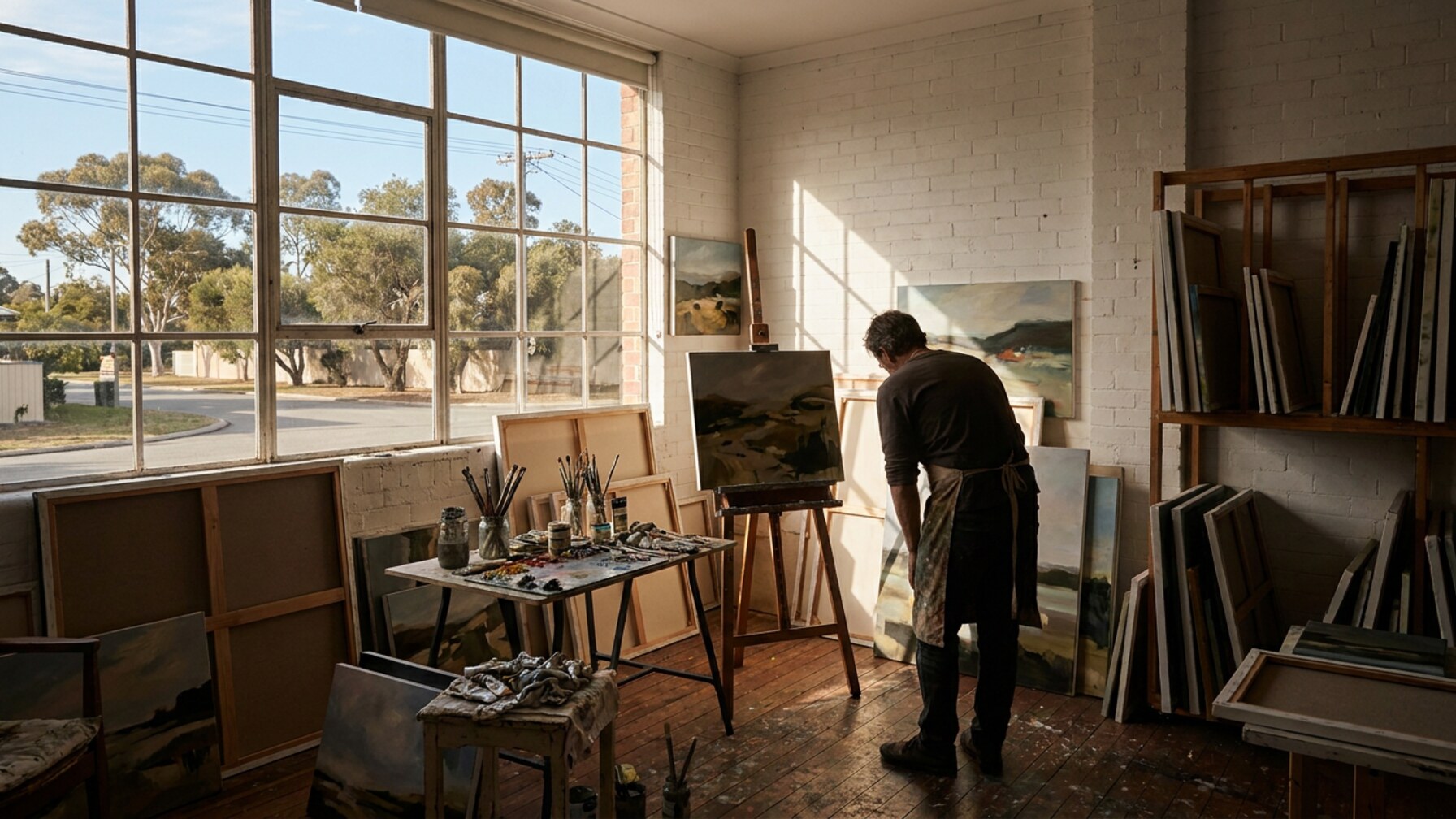
Perth's culture scene traces its current form to a cluster of small theatres and galleries that opened along William Street in Northbridge during 1982.
The change registers now because city planners approved new zoning rules last month that protect rehearsal spaces inside mixed-use buildings on James Street. Those rules respond to rising rents that have already closed three independent music rooms since March.
Two sites illustrate the shift. The Perth Institute of Contemporary Arts, opened in 1989 on Roe Street, began as a single exhibition room and now runs four galleries plus a 200-seat theatre. A few blocks west, the Subiaco Arts Centre, established in 1981 on Hamersley Road, added a writers' studio wing in 2004 and now hosts 12 resident companies.
From scattered rooms to connected districts
Early operators relied on converted warehouses and church halls. By 1997 the state government funded the Perth Cultural Centre master plan, which linked the Art Gallery of Western Australia, the State Library and the new State Theatre Centre through shared public courtyards. That plan created the first permanent foot traffic between venues.
Visitor numbers show the scale of change. The Perth Cultural Centre recorded 172,000 attendances at ticketed events in the 2024-25 financial year, compared with 64,000 in 2005-06, according to figures released by the Department of Local Government, Sport and Cultural Industries.
Next steps for audiences and makers
Residents can book free guided walks of the William Street heritage strip through the City of Perth website starting 1 August. Artists seeking space should contact the Subiaco Arts Centre residency office before the 30 September deadline for 2027 placements.