culture
Tracing the evolution of Perth’s cultural institutions
From humble beginnings in the 19th century to a modern cornerstone of the arts, Perth's gallery scene reflects the city's broader growth.
How we reported this
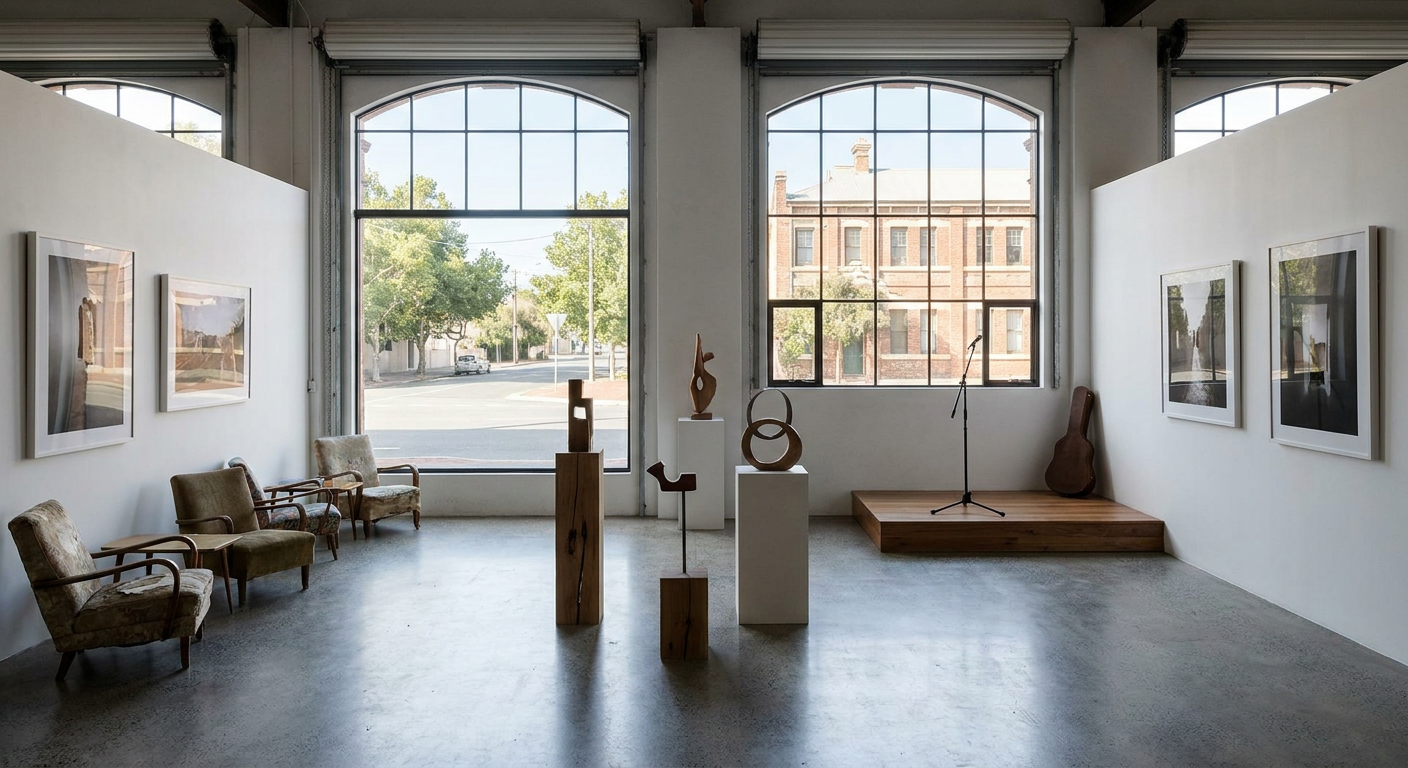
Perth’s cultural heartbeat is measured in the quiet, climate-controlled rooms of its major institutions, which have shifted from colonial-era cabinets of curiosities to bold centers of modern engagement. The city’s gallery and museum sector has undergone a significant transformation, mirroring Perth's transition from a remote outpost to a sophisticated state capital.
The foundation of a cultural hub
The institutional history of Perth’s art scene is anchored by the Art Gallery of Western Australia (AGWA), located within the Perth Cultural Centre in Northbridge. Founded in 1895, the institution moved through various temporary homes before settling into its current brutalist structure in the late 1970s. This precinct has become the nucleus of the city’s creative output, evolving from a static repository of fine arts into a venue that actively seeks to integrate contemporary Indigenous works alongside global collections.
Nearby, the Western Australian Museum Boola Bardip showcases a similar evolution. The museum, which reopened in 2020 after a major redevelopment, blends the heritage architecture of the Old Perth Gaol with innovative, modern wings. The design choices highlight a pivot in how the city views its own narrative: moving away from a single, rigid historical lens toward a space that prioritizes diverse, multi-vocal storytelling.
Growth and current landscape
Data from the Western Australian government confirms that the sector remains a focus for state investment, with the 2026 state budget allocations reinforcing long-term maintenance of the Perth Cultural Centre precinct. The recent emphasis on these spaces aligns with broader trends in Australian arts, where visitor engagement is prioritized over static displays. Attendance figures for the Western Australian Museum Boola Bardip reached record highs following the launch of its updated gallery spaces, reflecting a post-pandemic shift toward public-facing, interactive cultural experiences.
The evolution of this scene is not confined to the major Northbridge institutions. Smaller, independent galleries scattered throughout inner-city pockets-such as those lining the streets of East Perth and the creative corridors of Fremantle-have played a vital role in nurturing emerging artists. These smaller operators often act as a barometer for the city’s cultural health, providing a platform for experimental works that often find their way into larger, state-run collections.
For those looking to map this history today, the current programming at the Art Gallery of Western Australia offers a clear view of the museum's dual focus on historical preservation and contemporary relevance. Visitors can expect ongoing rotating exhibitions that draw from the extensive state collection, alongside commissioned works that engage directly with the state's shifting social identity. As the city continues to develop, these institutions serve as the primary record of how Perth sees itself, and how it chooses to present its history to the world.